Mobile:
+86 177 2975 3706
E-mail:
info@pursysmachine.com
News · Jun. 12, 2026 · Grinding Equipment
Selecting the right industrial grinding machine is one of the most important decisions for factories involved in powder production. A suitable grinding system directly affects:
However, many manufacturers face difficulties when choosing grinding equipment because different materials require different processing technologies. A machine that works well for spices may not be suitable for chemicals, herbs, grains or industrial materials. Therefore, equipment selection should always start from:
PURSYS provides professional powder processing equipment and customized grinding solutions for food, chemical, pharmaceutical and industrial applications.
An industrial grinding machine is equipment designed to reduce raw materials into smaller particles or fine powder through mechanical force. Depending on the working principle, industrial grinders may use:
Common industrial grinding machines include:
Each type has different advantages and application areas.
The wrong equipment selection may cause:
A machine with insufficient capacity may result in:
Incorrect grinding technology may create:
Unsuitable equipment can increase:
Choosing the correct grinding machine helps factories achieve stable production and better profitability.
The first step is analyzing the material you need to process. Different materials have different properties.
Examples: Bones, Minerals, Certain industrial materials
Requirements: Strong crushing force, Durable grinding components
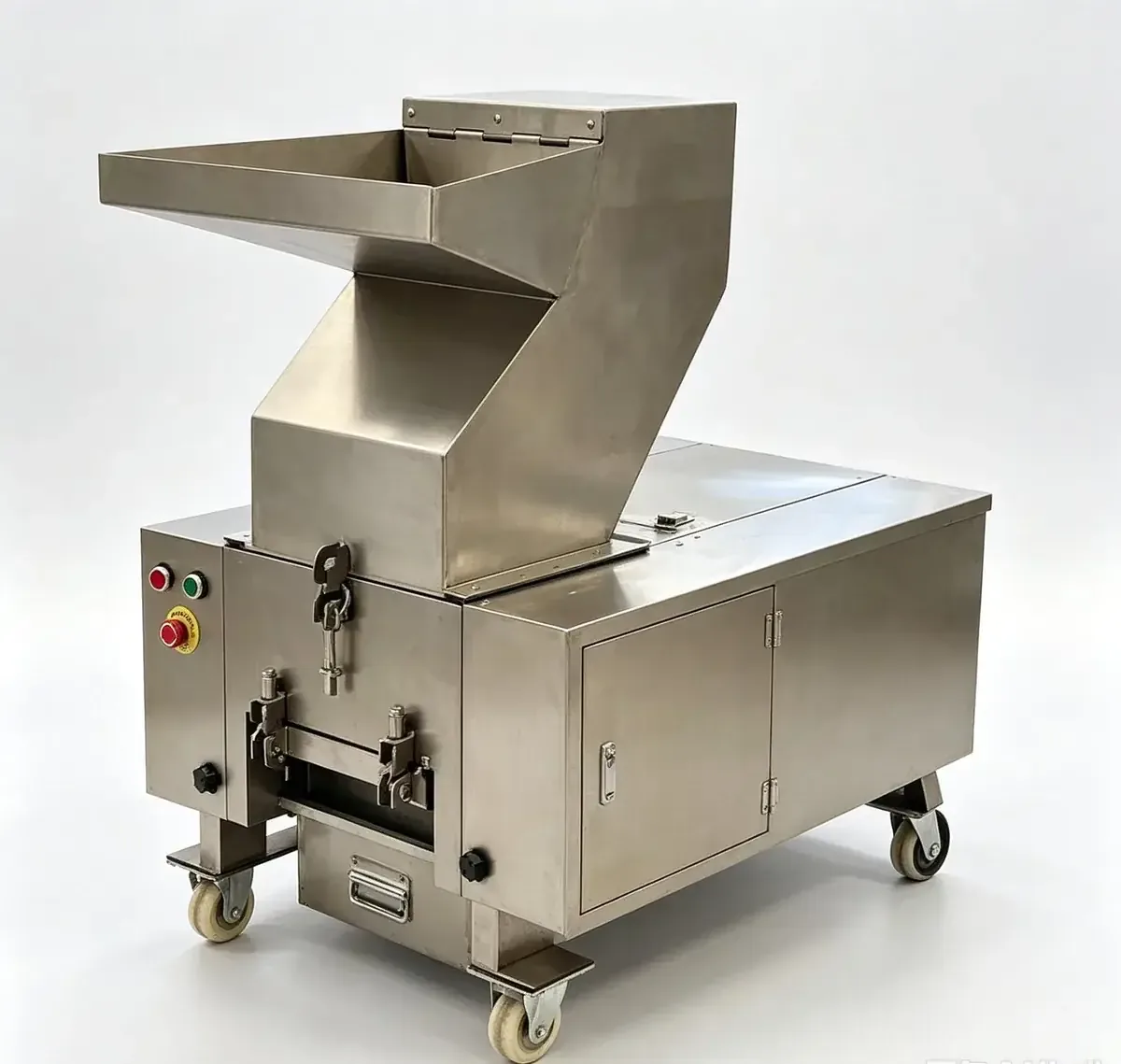
Recommended equipment: Coarse Crusher
Examples: Spices, Herbs, Grains
Requirements: Fine grinding capability, Temperature control
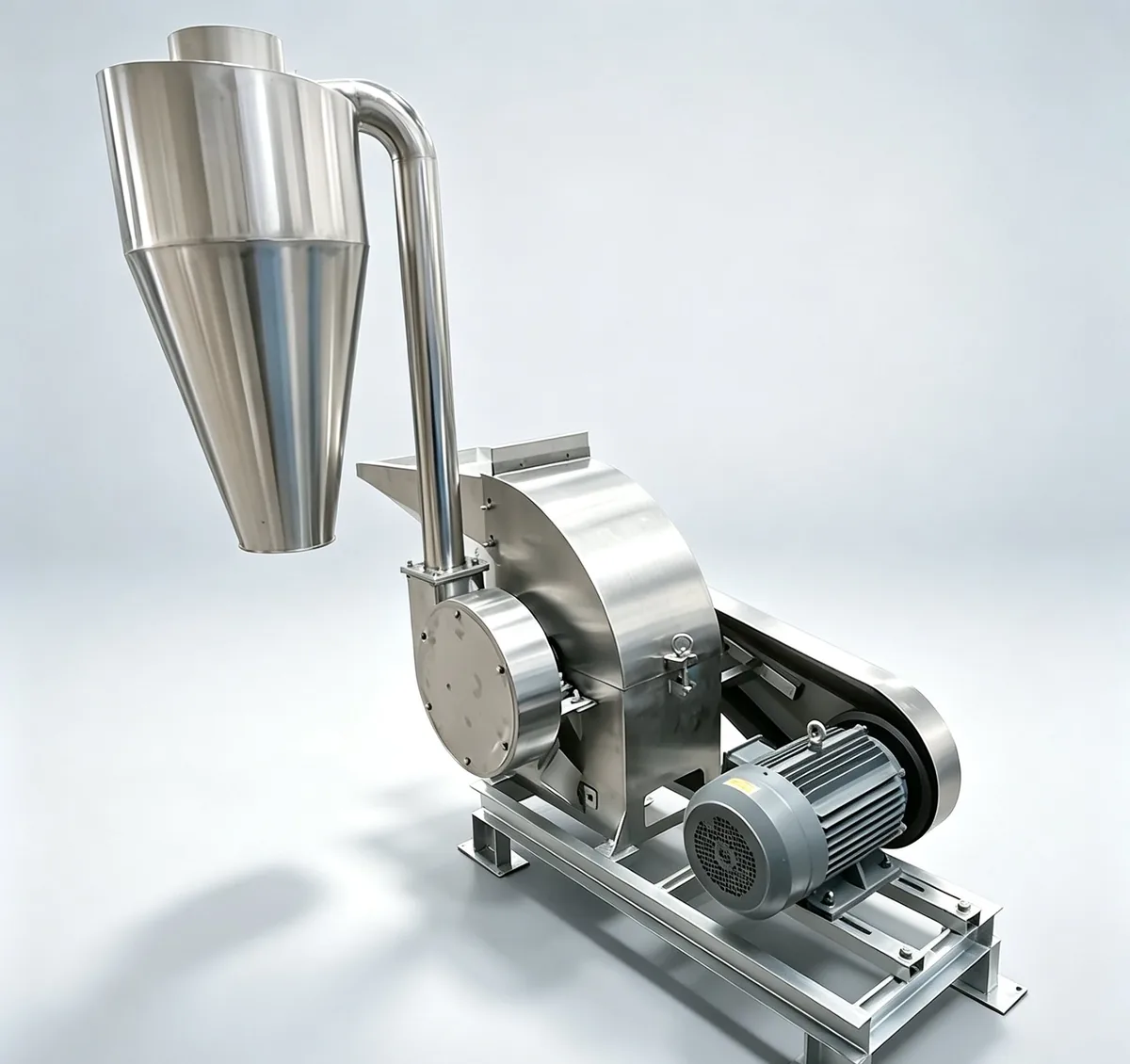
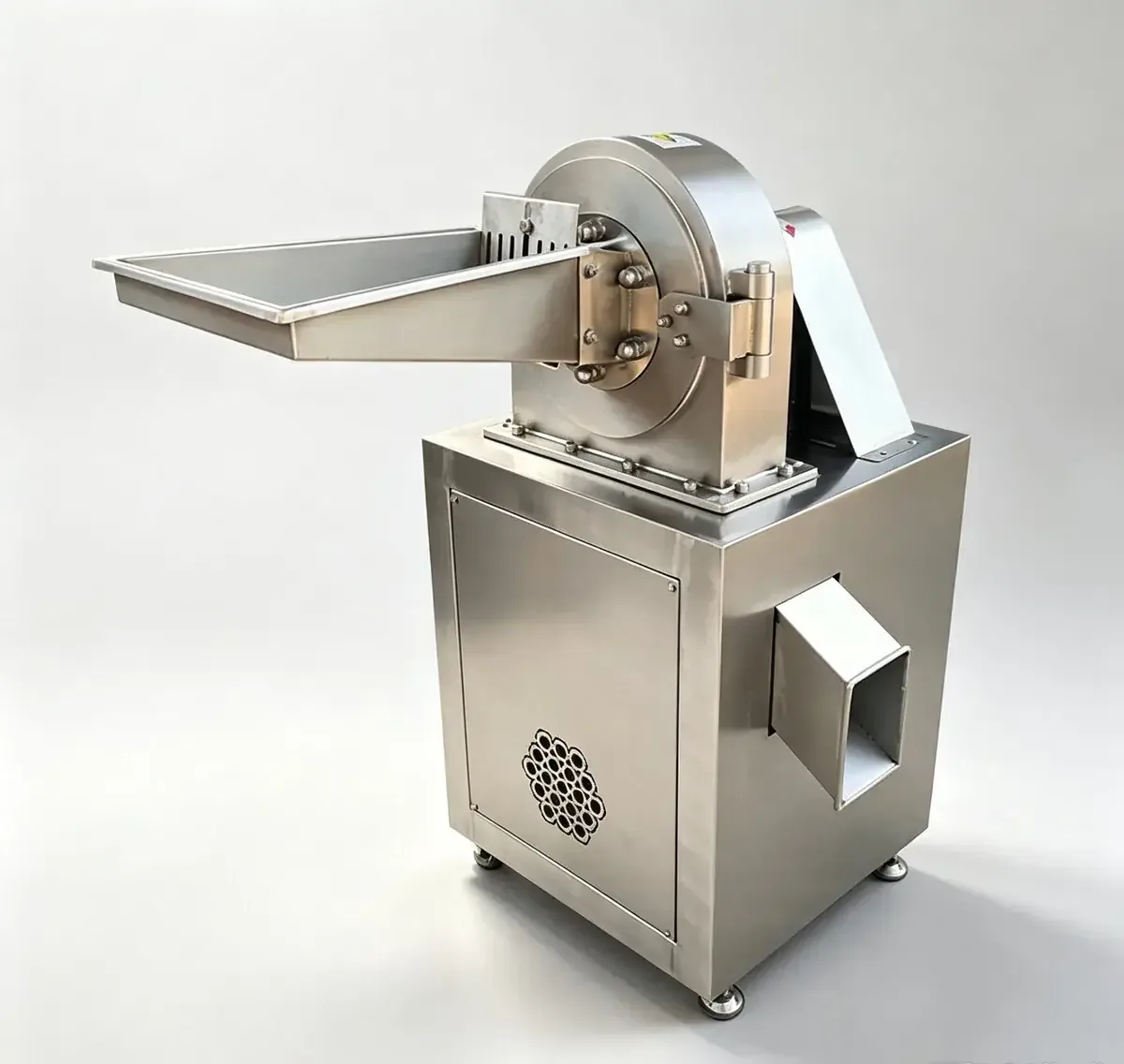
Recommended equipment: Hammer Mill / Pin Mill
Examples: Roots, Plant materials, Agricultural products
Requirements: Strong cutting and grinding ability
Recommended equipment: Universal Grinder
Particle size is one of the most important factors when selecting grinding equipment. Different industries require different powder sizes.
Typical applications: Animal feed, Initial processing, Industrial crushing
Recommended: Coarse Crusher
Typical applications: Food ingredients, Spice production, Agricultural products
Recommended: Hammer Mill
Typical applications: Pharmaceutical materials, Premium spices, Chemical powders
Recommended: Pin Mill
Before purchasing equipment, factories should determine:
Example:
Selecting equipment based only on price often creates production limitations later.
Different machines use different grinding principles.
Working Principle – High-speed rotating hammers impact materials and break them into smaller particles.
Advantages – High capacity, Strong crushing performance, Wide application range
Suitable for – Chili powder, Spice powder, Grain powder, Agricultural materials
Working Principle – Materials are ground through high-speed rotating pins and impact forces.
Advantages – Fine powder production, Uniform particle size, Better control of powder quality
Suitable for – Fine spices, Herbs, Food ingredients
Working Principle – Large materials are broken into smaller pieces through mechanical crushing.
Advantages – Strong crushing ability, Pre-processing capability
Suitable for – Bones, Large particles, Hard materials
Advantages – Flexible application, Suitable for many materials, Compact structure
Suitable for – Food, Herbs, Agricultural products
For food and pharmaceutical industries, machine material is critical. Common requirements include:
Benefits – Corrosion resistance, Easy cleaning, Better hygiene
Equipment should consider: Material quality, Surface treatment, Cleaning convenience
A good industrial grinder should allow: Simple cleaning, Easy inspection, Quick replacement of wearing parts
Purchase cost is only one part of equipment investment. Factories should also consider:
A reliable machine provides better long-term value.
Choosing the right supplier is as important as choosing the machine. A professional manufacturer should provide:
Including: Material testing, Machine recommendation, Process design
Including: Raw material inspection, Manufacturing control, Machine testing
Including: Packaging, Shipping support, Technical documents
Low-cost equipment may result in: Lower durability, Higher maintenance costs, Unstable production
Different materials behave differently during grinding. Testing helps determine: Suitable machine type, Expected output, Final powder quality
Too large equipment may cause: Higher investment, Unnecessary energy consumption
Reliable technical support reduces: Production downtime, Maintenance difficulties
PURSYS provides customized powder processing solutions for global customers. Our equipment solutions include:
For initial material size reduction. Equipment: Coarse Crusher, Bone Crushing Machine
For powder production. Equipment: Hammer Mill, Pin Mill, Universal Grinder
Including: Conveying, Screening, Drying, Packing. From individual machines to complete production lines, PURSYS helps customers build efficient powder processing systems.
Our engineers evaluate:
Based on these factors, PURSYS recommends suitable equipment configurations.
Choosing the right industrial grinding machine requires more than comparing specifications and prices. The best solution depends on:
With professional engineering experience and complete powder processing solutions, PURSYS helps factories worldwide achieve reliable and efficient powder production.
Copyright © Zhengzhou Pursys Machinery Co., Ltd. All Rights Reserved. | XML Sitemap | Site Map
Zhengzhou Pursys Machinery Co., Ltd.
+86 177 2975 3706
+8617729753706
No.21 South Huagong Road, Zhangcun, Gaocun Township, Xingyang City, Zhengzhou City, Henan Province, P.R.China