Mobile:
+86 177 2975 3706
E-mail:
info@pursysmachine.com
News · Jul. 24, 2026 · Manufacturing
After precision machining, the assembled structure of a powder processing machine depends entirely on the quality of its welds. A grinding chamber or machine body that looks correct on paper can still leak, corrode or twist under load if the seams are weak, porous or distorted. PURSYS applies professional TIG (tungsten inert gas) welding to join stainless steel components into robust, hygienic machines that hold their shape and their cleanliness for years of service. This article explains how our welding process protects durability, strength and clean-production standards across every equipment line we build.
Welding is where machined accuracy either gets preserved or gets destroyed. A poorly managed weld can pull a perfectly machined chamber out of true, or leave a crevice that traps product and breeds contamination. For that reason we treat welding as a controlled manufacturing process with written procedures, not as a task left to individual improvisation on the shop floor.
Stainless steel is unforgiving to weld badly. Incorrect heat input causes warping that ruins the dimensional accuracy achieved during CNC machining, while contaminated or oxidized seams corrode quickly in wet, steam or chemical environments. For food, spice and pharmaceutical lines, every internal weld must be smooth enough to clean and completely free of crevices where powder can lodge and spoil. The challenge is to join thick chamber walls and thin housings alike without distortion, and to leave a surface that meets hygienic design rules while still carrying full structural load.
Complicating the task, many of our machines combine several stainless thicknesses in one assembly, and some chambers are fully enclosed, so the root side of a seam cannot be reached after closure. Each of those conditions demands a different welding technique, which is why a single generic approach does not work for this equipment.
Our TIG welding workflow is standardized across the workshop and documented for audit:
TIG welding gives us a clean, spatter-free arc and precise control of the weld pool, which is essential for stainless steel. We select filler rods matched to the base grade — 308L for 304, 316L for 316L — and monitor interpass temperature to avoid sensitization that would weaken corrosion resistance. Critical seams on pressure or enclosed parts are back-purged so the root pass is as clean as the face. Skilled welders then grind and polish internal corners to a sanitary finish that passes both visual examination and dye-penetrant inspection where specified.
Because TIG is slower than some alternatives, we reserve it for where quality matters most — product-contact structures and load-bearing frames — and use appropriate higher-productivity methods only on non-critical brackets, always within the same documented quality system.
Welds are verified by visual inspection, dye-penetrant testing on pressure parts, and dimensional checks after cooling to confirm the assembly has not moved out of tolerance. Material certificates and weld procedure records are retained under our ISO 9001 system, so every machine shipped by PURSYS carries a documented manufacturing history that the customer can review during acceptance.
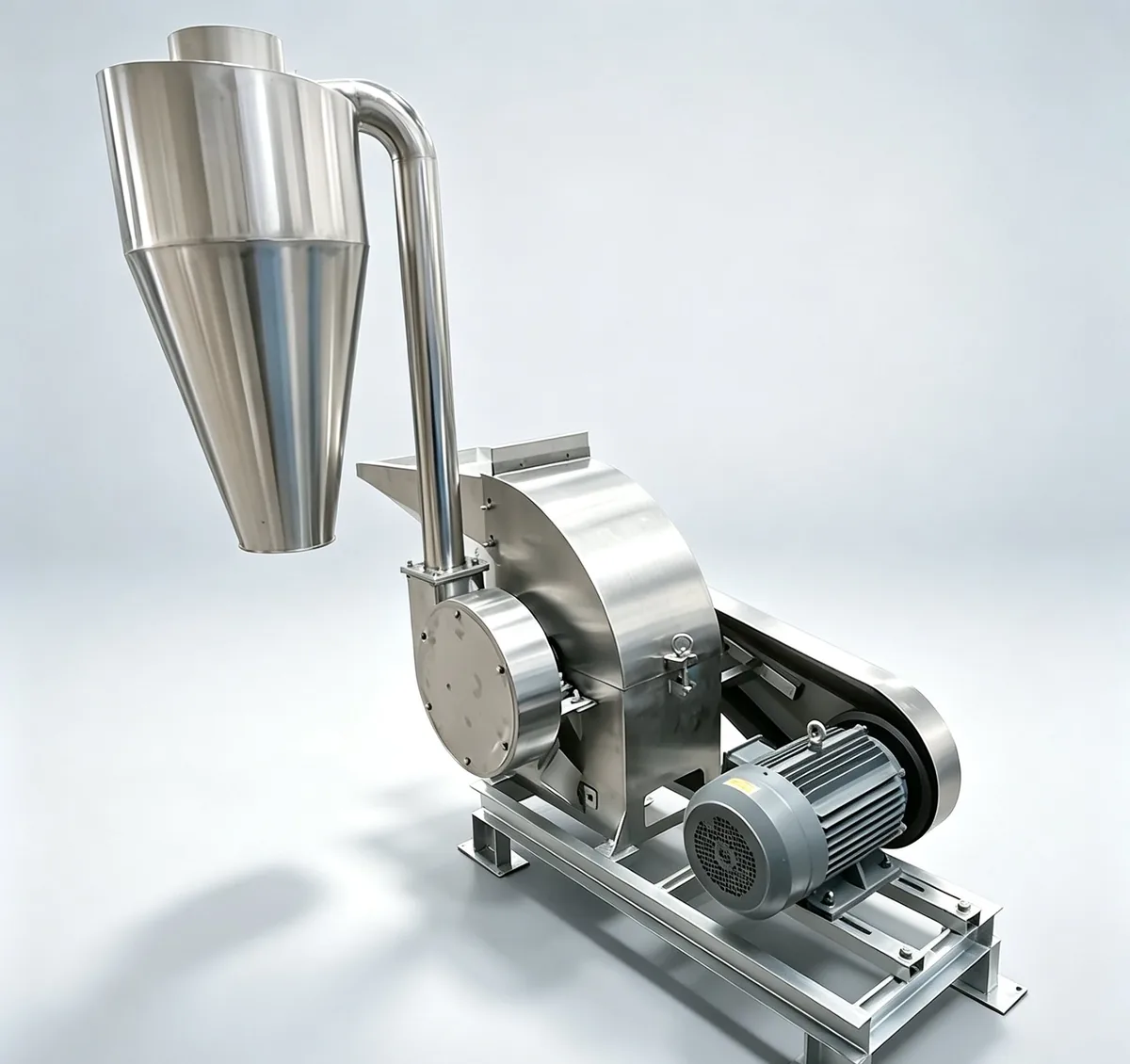
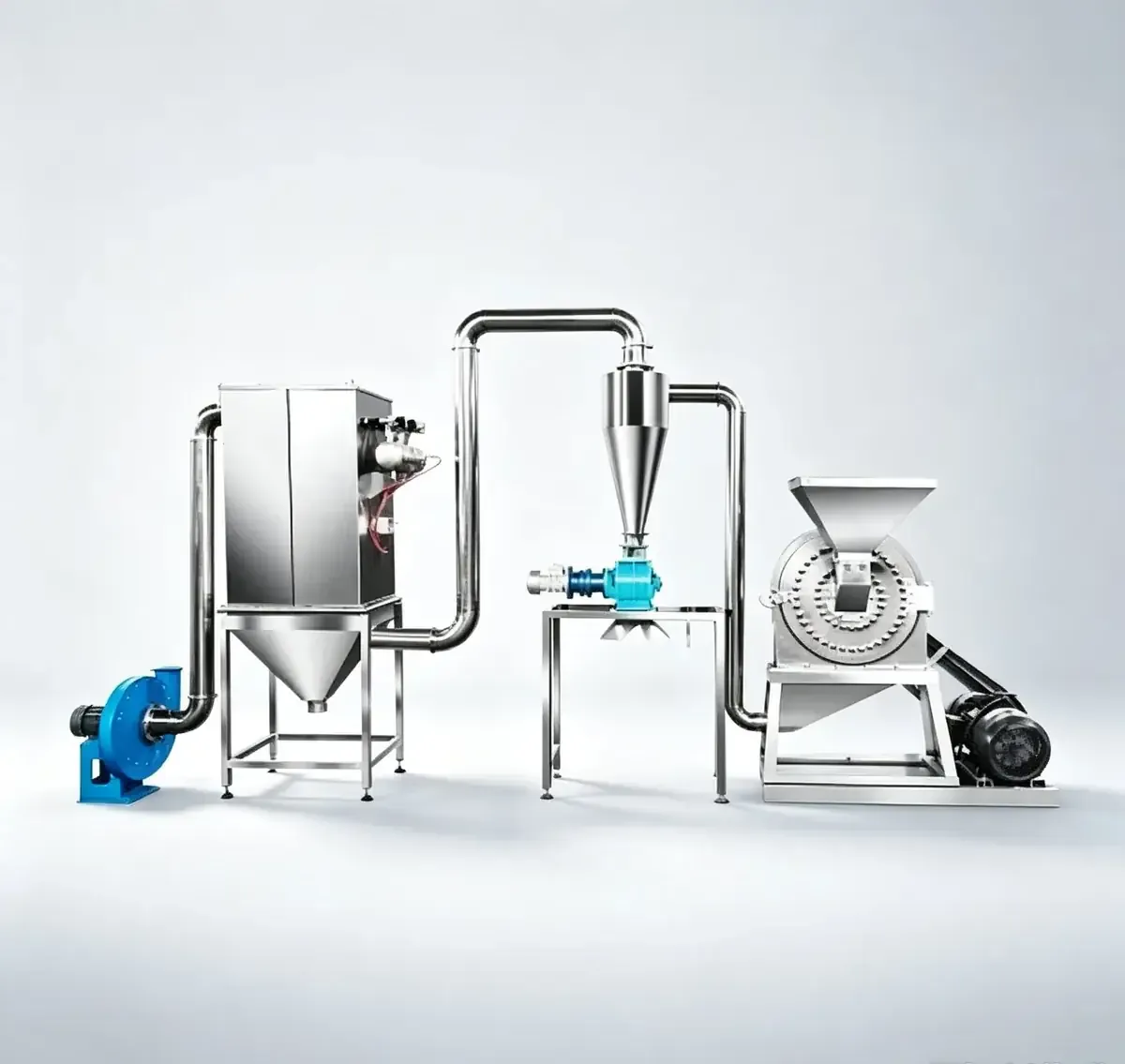
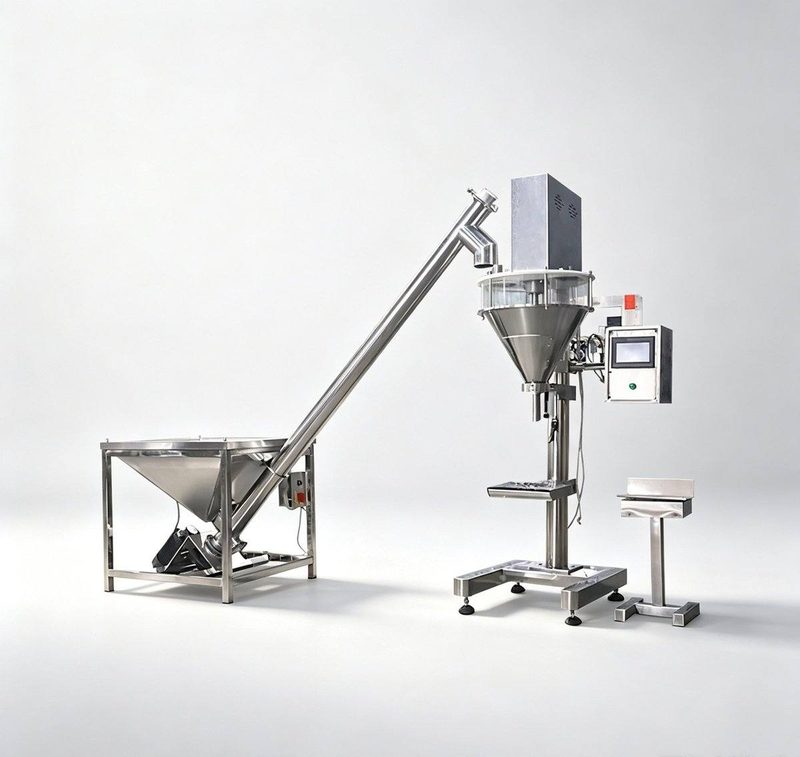
Every PURSYS machine is built from food-grade stainless steel. Browse our complete range of stainless steel powder processing machine solutions for hygienic, corrosion-resistant production.
Copyright © Zhengzhou Pursys Machinery Co., Ltd. All Rights Reserved. | XML Sitemap | Site Map
Zhengzhou Pursys Machinery Co., Ltd.
+86 177 2975 3706
+8617729753706
No.21 South Huagong Road, Zhangcun, Gaocun Township, Xingyang City, Zhengzhou City, Henan Province, P.R.China