Mobile:
+86 177 2975 3706
E-mail:
info@pursysmachine.com
News · Sep. 21, 2026 · Chili Grinding
A chili grinding machine is an important part of an industrial chili powder processing system.
However, choosing a chili grinder is not simply about selecting a machine with a higher motor power or larger advertised capacity.
The right grinding solution depends on several factors:
For industrial production, the grinding machine should be considered as part of the complete process:
Cleaning → Preparation → Size Reduction → Grinding → Screening → Dust Collection → Conveying → Packaging → This guide explains how chili grinding machines work, what equipment can be used, how to control particle size, and how to select a suitable configuration for industrial chili powder production.
A chili grinding machine is industrial equipment designed to reduce dried chili into smaller particles or powder.
Depending on the required final product, the grinding system may use:
For more information about hammer-mill technology, see: Hammer Mill Machine: Working Principle, Types, Applications & Selection Guide.
The basic process is straightforward.
Dried chili enters the grinding chamber through the feeding system.
Inside the machine, rotating grinding components apply mechanical forces to reduce the material size.
A simplified process is:
Feeding → Grinding Chamber → Impact / Shearing → Particle Size Reduction → Screening → Chili Powder → In a hammer-mill configuration, rotating hammers repeatedly impact the material. → The particles continue to be reduced until they can pass through the selected screen or discharge mechanism. → For a detailed explanation of this grinding principle, see: → Hammer Mill Working Principle
Chili is not simply another dry raw material.
Its physical properties can influence the grinding process.
Important factors include:
Therefore:
The grinding configuration should be selected according to the actual chili and final product specification.
Industrial chili grinding systems can be considered for many dried chili materials.
Examples include:
A possible process is:
Cleaning → Stem / Foreign Material Removal → Pre-Crushing → Grinding
Good grinding results begin before the chili reaches the grinder.
The preparation stage may include:
Remove:
Not every chili grinding system requires a separate crusher.
The decision depends mainly on the incoming feed size and grinding machine configuration.
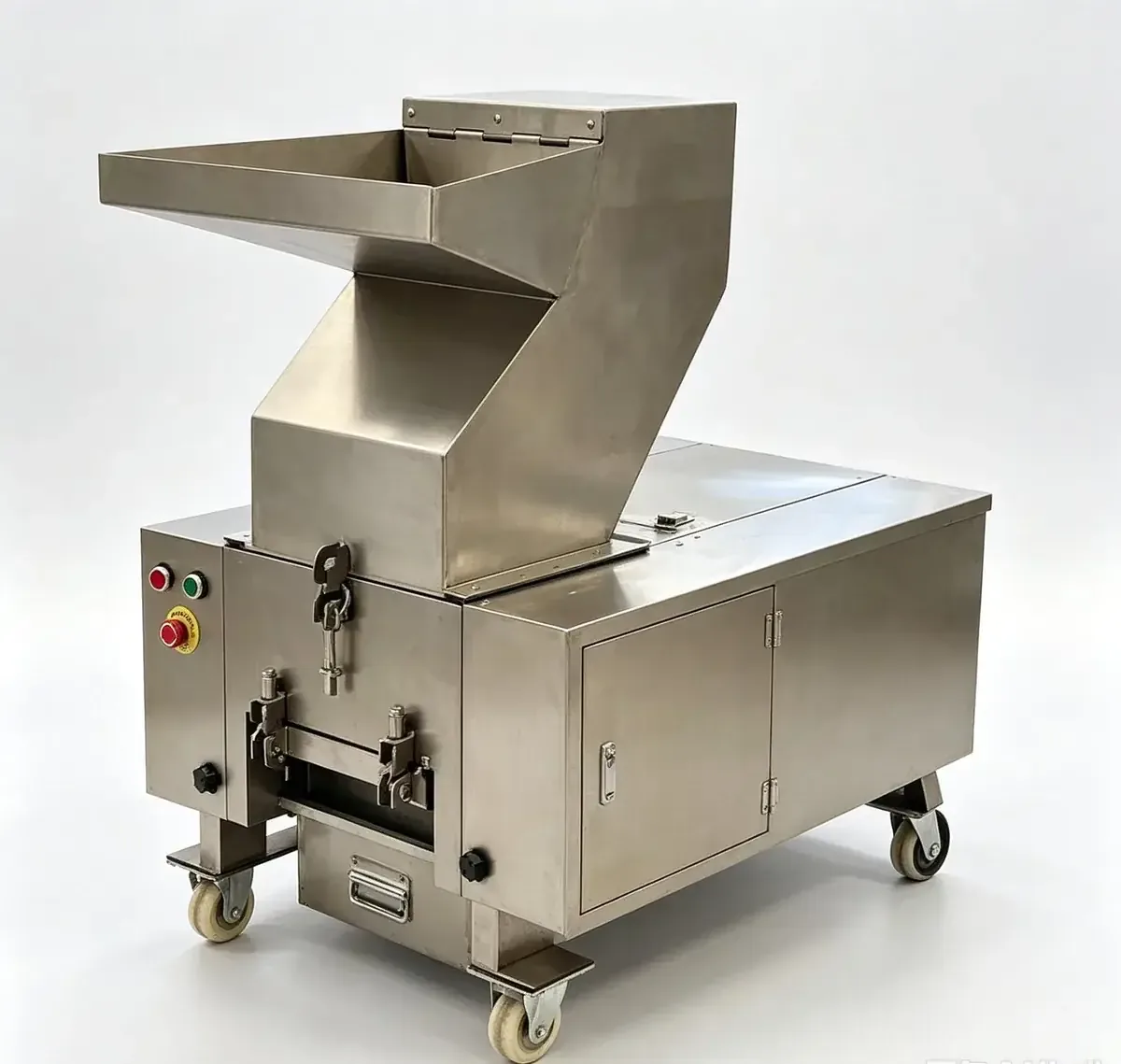
For larger or difficult feed material, a primary crusher can be considered.
The process could be:
Primary Crusher → Hammer Mill → Fine Grinding → PURSYS offers a primary crusher for applications requiring an initial size-reduction stage. → The actual need for pre-crushing should be evaluated according to the raw material.
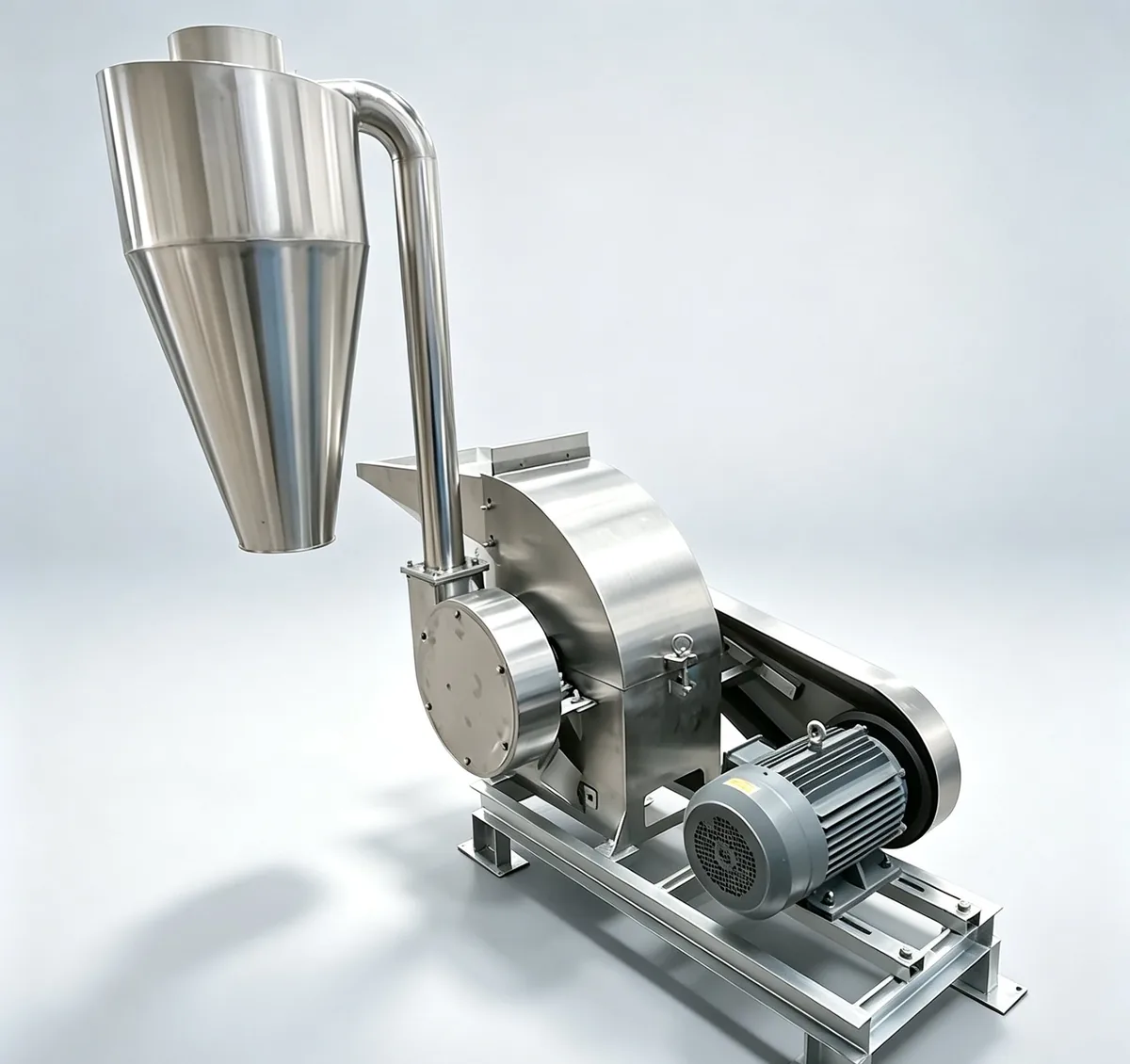
Hammer mills are widely considered for dry spice grinding applications.
A hammer mill uses rotating hammers to apply impact forces to the material.
A typical chili process may be:
Feeding → Hammer Mill → Screen → Chili Powder → A PURSYS industrial hammer mill can be integrated into a broader chili powder processing system. → However, the correct screen and operating configuration should be selected according to: → Chili type → Moisture → Feed size → Required particle size → Capacity
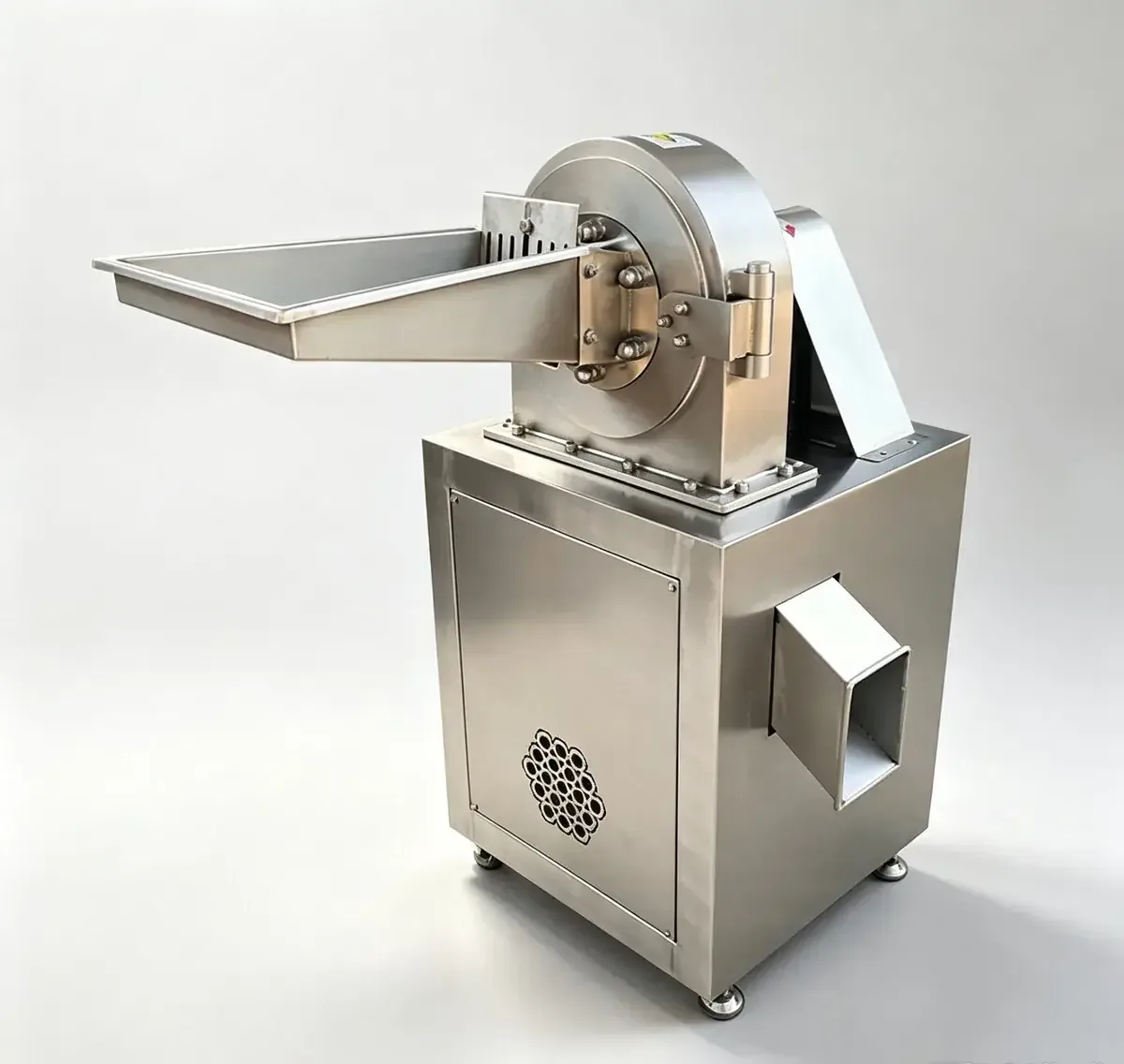
A pin mill can be considered when the application requires finer grinding and the material is suitable for this grinding mechanism.
A possible multi-stage system is:
Primary Crushing → Hammer Mill → Pin Mill → Screening → Final Chili Powder → PURSYS offers an industrial pin mill for suitable fine-grinding applications. → The decision between hammer mill and pin mill should be based on the final product requirements rather than machine type alone. → For a detailed comparison: → Hammer Mill vs Pin Mill
There is no universal final particle size for chili powder.
Different products can require different levels of fineness.
The final result depends on:
For example:
Hammer Mill → Medium Powder → Fine Grinder → Fine Chili Powder → Therefore, the desired final particle size should be specified before selecting the equipment.
Screening is an important part of many chili grinding systems.
A screen can help control which particles leave the grinding chamber.
A simplified process is:
Screen → ↙ ↘ → Fine Oversize → Powder ↓ → Re-Grinding → A smaller screen opening may help produce finer particles, but it can also affect throughput and grinding conditions. → Screen selection should therefore consider: → Required particle size → Material characteristics → Capacity → Grinding configuration
Grinding generates heat.
For chili processing, temperature can be an important process consideration because product quality requirements may be affected by processing conditions.
Factors influencing temperature include:
A good system should balance:
Capacity + Particle Size + Temperature + Product Quality
Higher machine power alone does not necessarily produce a better chili powder process.
Chili powder can generate fine airborne particles.
Dust can occur during:
A simplified process:
Powder / Air Flow → Dust Collection → Powder Recovery → Filtered Air → Dust collection should be designed together with the grinding system. → This is especially important for a complete production line rather than a standalone grinder.
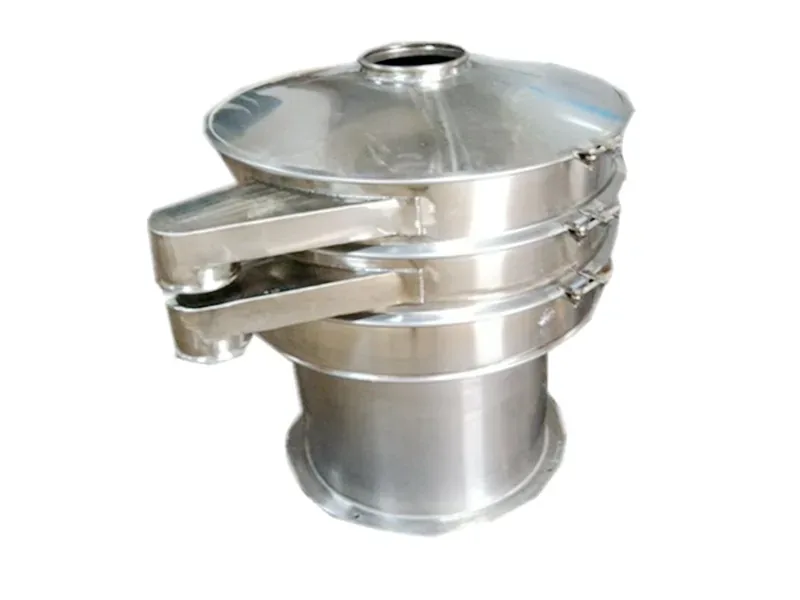
After grinding, the powder may be passed through a vibrating screen.
A round vibrating screen can help classify the finished powder according to the required particle-size specification.
Typical process:
Chili Powder → Vibrating Screen → ↙ ↘ → Acceptable Oversize → Powder ↓ → Re-Grinding → This can help improve particle-size consistency.
Capacity should always be discussed together with product specification.
For example:
A better specification is:
500 kg/h dried chili powder at the required particle size.
Actual production capacity depends on:
A small or simple application may only require:
Chili Grinder → Collection → An industrial project may require a more complete process: → Raw Chili → Cleaning → Preparation → Primary Crushing → Hammer Mill → Fine Grinding → Vibrating Screen → Dust Collection → Conveying → Packaging → Not every project requires every stage. → The equipment configuration should be based on the customer's process requirements. → For the complete process, see: → Chili Powder Production Line
A typical industrial chili powder process can be summarized as:
Cleaning → Sorting → Moisture Control → Pre-Crushing → Primary Grinding → Fine Grinding → Screening → Dust Collection → Finished Chili Powder → Packaging → However, the actual process can be simplified or expanded depending on: → Raw material condition → Final particle size → Required capacity → Product quality requirements → Automation level → For a general consumer-oriented explanation of chili powder production, see: → How to Make Chili Powder
Before selecting the equipment, answer these questions.
1. What type of chili are you processing?
Different varieties can have different physical characteristics.
2. Is the chili whole or already broken?
Large pieces may require pre-crushing.
3. What is the moisture level?
Moisture can affect grinding performance.
4. What capacity do you require?
Specify the required kg/h together with the final powder specification.
5. What particle size do you need?
Provide mesh, micron or another measurable specification.
6. Is temperature control important?
If product quality is sensitive to heat, this should be considered during system design.
7. Do you need screening?
A vibrating screen may be required for controlled particle-size classification.
8. Do you need dust collection?
For industrial production, dust management should be considered as part of the process.
9. Do you need automatic conveying?
Larger production lines may require conveyors between processing stages.
10. Do you need automatic packaging?
Packaging can be integrated into a complete chili powder production line.
Motor power does not tell the complete story.
Material, particle size and process configuration are equally important.
Capacity should be associated with the material and final particle size.
Moisture can significantly influence grinding performance.
Grinding generates heat, so temperature should be considered where product quality requires it.
A complete industrial process should evaluate dust management.
Grinding and particle classification often need to be considered together.
The grinding machine may be only one component of the complete production system.
Before requesting a quotation, prepare:
| Requirement | Information |
|---|---|
| Raw material | Dried chili |
| Chili condition | Whole / pieces / flakes |
| Moisture | Approximate value |
| Feed size | Approximate size |
| Required capacity | kg/h |
| Final particle size | Mesh / micron |
| Grinding stages | One / multiple |
| Screening | Yes / No |
| Dust collection | Yes / No |
| Feeding | Manual / Automatic |
| Conveying | Required / Not required |
| Packaging | Manual / Automatic |
| Operation | Batch / Continuous |
For a larger industrial project, the equipment can be integrated into one production process.
For example:
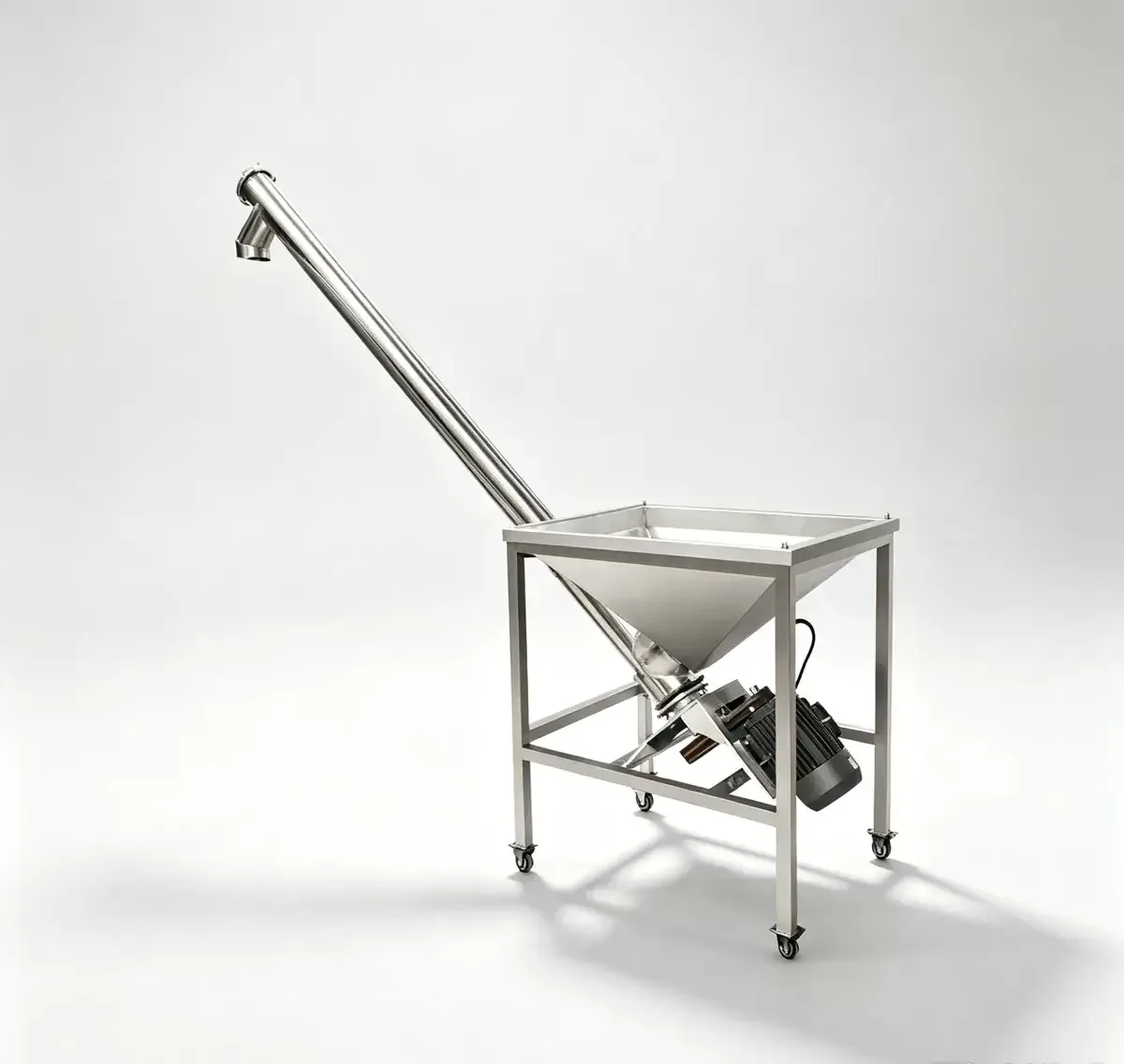
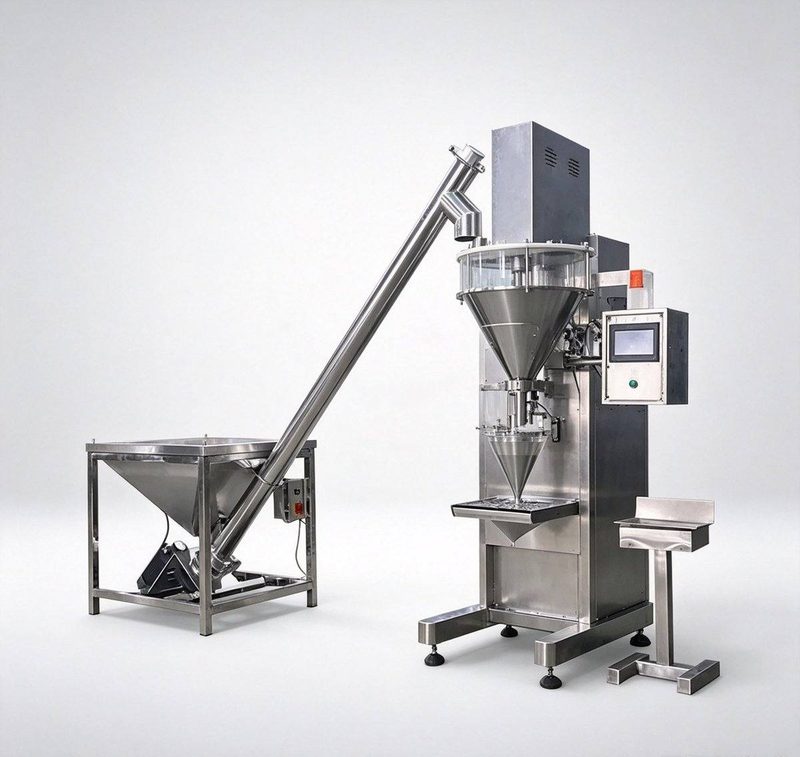
Feeding → Cleaning → Primary Crusher → Hammer Mill → Fine Grinding → Vibrating Screen → Dust Collection → Screw Conveyor → Packing System → Relevant PURSYS equipment includes: → Primary Crusher → Hammer Mill → Pin Mill → Round Vibrating Screen → Screw Conveyor → Packing System → The final equipment list should be determined from the actual process requirements.
Before purchasing a machine, confirm:
Choosing a chili grinding machine should start with the raw material and final product requirements.
The most important parameters are:
Chili Type → Moisture → Feed Size → Capacity → Particle Size → Temperature → Process Configuration
A hammer mill can be considered for many dry chili grinding applications, while a pin mill or multi-stage grinding system may be appropriate for applications requiring finer powder.
For larger projects, the grinder should be evaluated together with preparation, screening, dust collection, conveying and packaging.
The objective is not simply to choose a powerful chili grinder.
The objective is to create a stable and suitable chili powder processing system for the actual production requirements.
For more on chili grinding systems, explore our spice grinding machine, pin mill and the full range of PURSYS grinding equipment.
A hammer mill can be considered for many dried chili grinding applications. A pin mill or multi-stage system may also be considered when finer grinding is required.
Yes. A hammer mill can be used for many dry chili grinding applications, depending on the required particle size and raw material condition.
A chili grinder is one piece of equipment.
A complete production line may include:
Cleaning → Crushing → Grinding → Screening → Dust Collection → Conveying → Packaging
Depending on the raw material and required particle size, a single grinding stage may be sufficient for some applications. Other applications may require multiple stages.
Yes. Moisture can affect material flow, grinding behavior and powder discharge.
If the finished product requires controlled particle-size classification, a vibrating screen can be useful.
For industrial chili powder processing, dust collection should be evaluated as part of the complete system.
PURSYS can configure grinding, crushing, screening, conveying and packaging equipment according to project requirements.
Tell PURSYS:
1. What type of chili are you processing? 2. What capacity do you require? 3. What final particle size do you need?
PURSYS can evaluate the grinding process and equipment configuration according to your application.
Get a Quote →
Get a Quote →Back to NewsCopyright © Zhengzhou Pursys Machinery Co., Ltd. All Rights Reserved. | XML Sitemap | Site Map
Zhengzhou Pursys Machinery Co., Ltd.
+86 177 2975 3706
+8617729753706
No.21 South Huagong Road, Zhangcun, Gaocun Township, Xingyang City, Zhengzhou City, Henan Province, P.R.China