Mobile:
+86 177 2975 3706
E-mail:
info@pursysmachine.com
News · Sep. 4, 2026 · Turmeric Processing
A turmeric powder production line is an integrated processing system designed to clean, crush, grind, screen, collect and package turmeric powder for commercial or industrial production. Unlike a single turmeric powder processing machine, a complete production line combines multiple processing stages to achieve more consistent particle size, controlled material flow, efficient dust collection and easier operation.
A typical industrial turmeric powder production line may include: Raw Material Feeding → Cleaning → Drying/Moisture Control → Crushing → Grinding → Fine Grinding → Screening → Dust Collection → Conveying → Packaging. The exact configuration depends on the turmeric variety, moisture content, required powder fineness, production capacity, automation level and final application. For manufacturers processing turmeric on a commercial scale, selecting the right combination of turmeric processing equipment is often more important than choosing a single high-capacity machine.
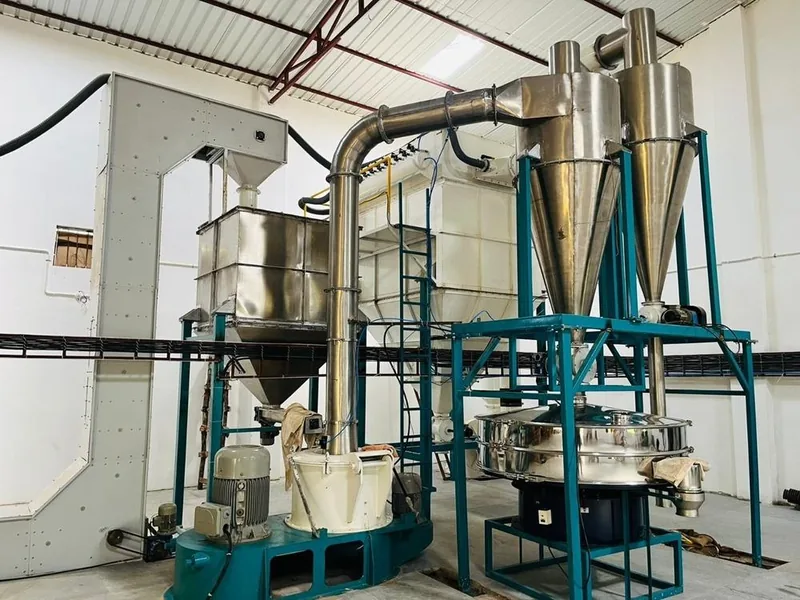
A turmeric powder production line is a combination of machines that processes turmeric roots or dried turmeric into a controlled powder product. A complete system can integrate:
The main advantage of a production line is that each machine performs a specific processing function. Instead of asking one machine to perform every operation, the process can be divided into stages.
Raw Turmeric → Feeding → Cleaning → Drying/Moisture Control → Primary Crushing → Coarse Grinding → Fine Grinding → Vibrating Screening → Dust Collection → Powder Collection → Packaging
This modular structure makes it possible to configure the line according to the customer's actual production requirements.
The industrial turmeric powder manufacturing process normally involves several stages. A typical configuration is:
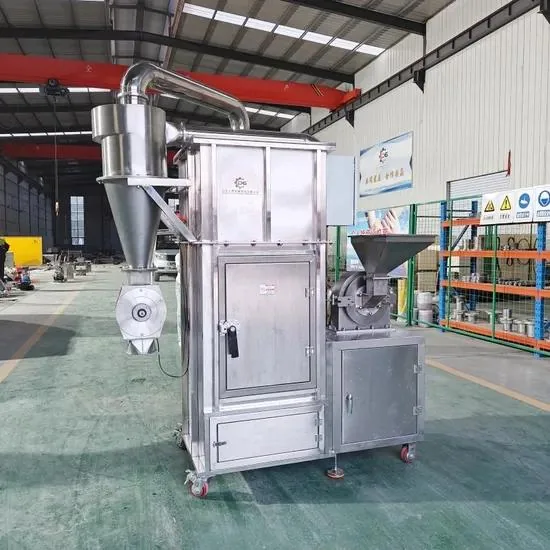
Not every turmeric project requires all of these machines. For example, if the customer already has properly dried and cleaned turmeric, the cleaning and drying stages may be simplified. This is why an industrial turmeric processing equipment configuration should be designed around the raw material and final product rather than based on a fixed machine list.
The quality of the final powder starts with the raw material. Turmeric may arrive at the processing facility in different forms, including:
These materials behave differently during grinding. Fresh turmeric normally contains substantially more moisture than dried turmeric, which can make direct fine grinding difficult. For industrial powder production, moisture control is therefore an important part of the process.
Before selecting a grinding machine, the following information should be checked:
Cleaning is an important stage when turmeric arrives with soil, stones or other foreign materials. Depending on the raw material, a cleaning system may remove:
The purpose is not simply to make the turmeric visually cleaner. A proper cleaning stage also helps protect downstream grinding equipment. For industrial processing, the cleaning system should therefore be considered as part of the complete production line rather than as an independent operation.
Moisture has a direct effect on grinding performance. If turmeric contains excessive moisture, several problems may occur:
For dried turmeric processing, the goal is to maintain suitable moisture conditions before grinding. The required drying method depends on:
Therefore, drying equipment should be selected together with the grinding system.
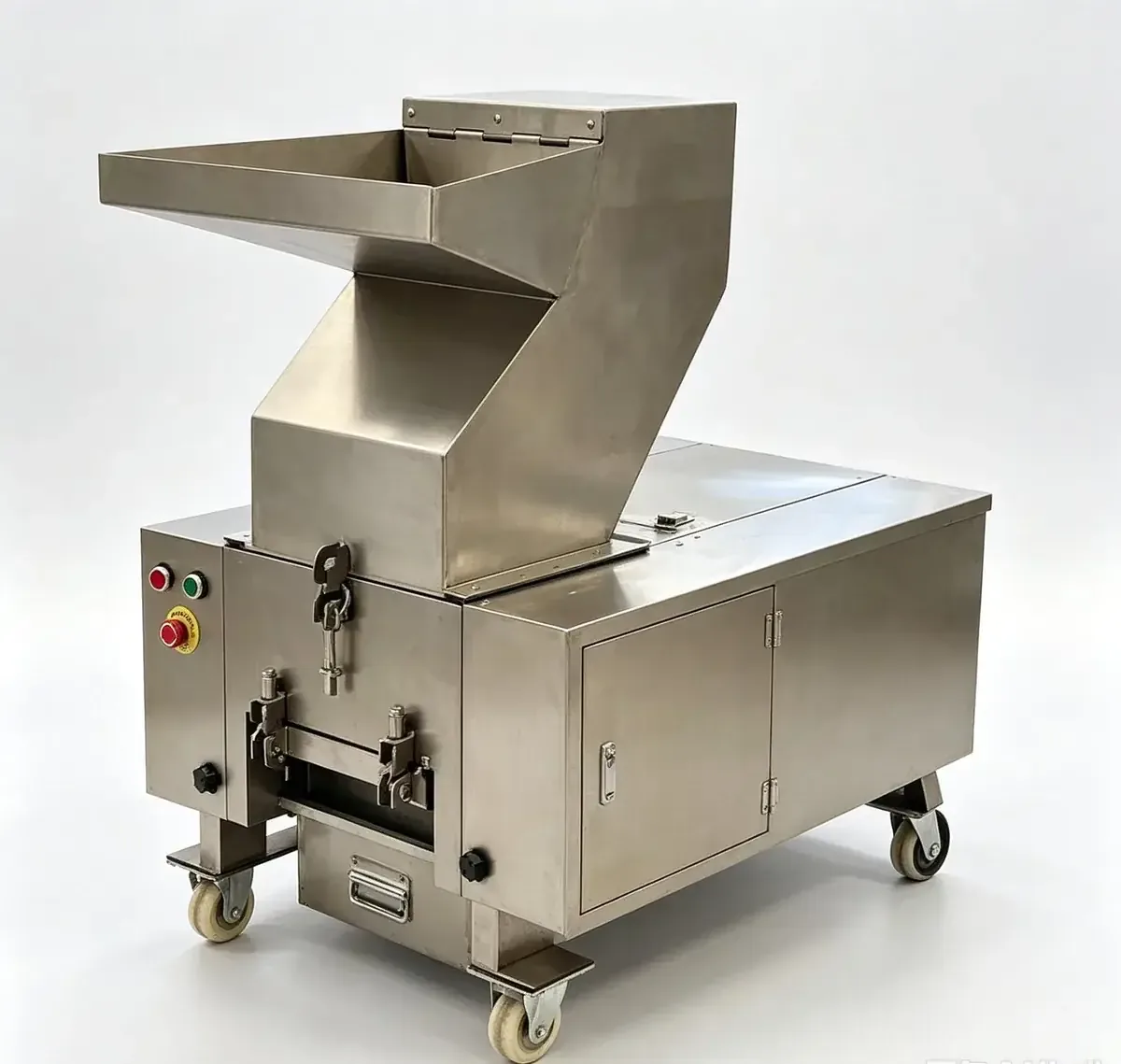
Large pieces of turmeric may not be suitable for direct fine grinding. A primary crusher can reduce the feed material into smaller pieces before it enters the main grinding machine. The basic principle is:
Large Turmeric Pieces → Primary Crusher → Smaller Pieces → Grinding Machine
This can make downstream grinding more stable. It can also help create a more consistent feed size for the grinding equipment. For projects using relatively small and uniform turmeric pieces, a separate primary crushing stage may not always be necessary.
The grinding stage is the core of the turmeric powder production line. Different grinding technologies can be selected depending on the required final powder.
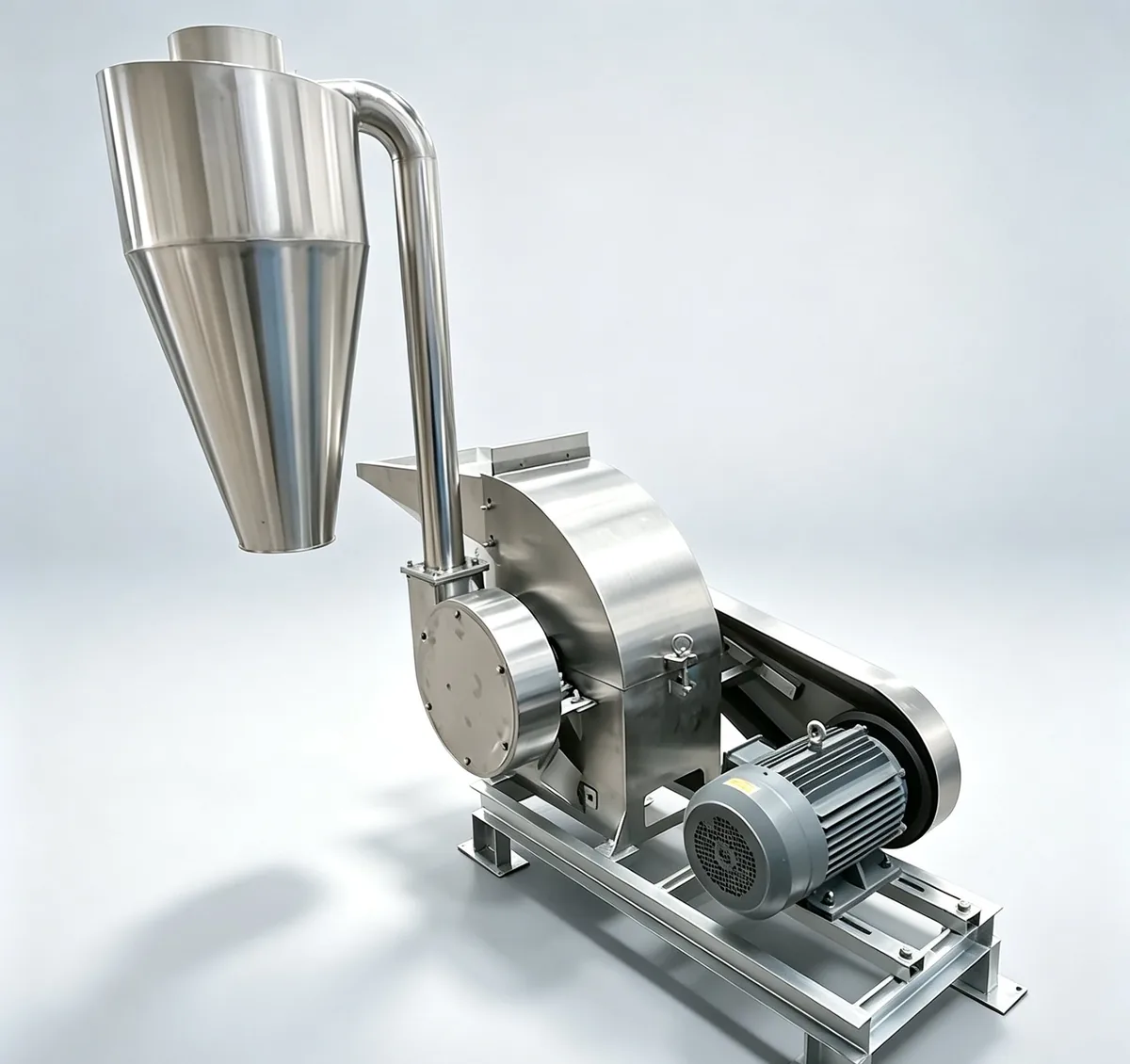
For many industrial applications, an industrial hammer mill can be used for primary or medium-fine grinding. A hammer mill uses high-speed rotating hammers to reduce the particle size of the material. Its advantages can include:
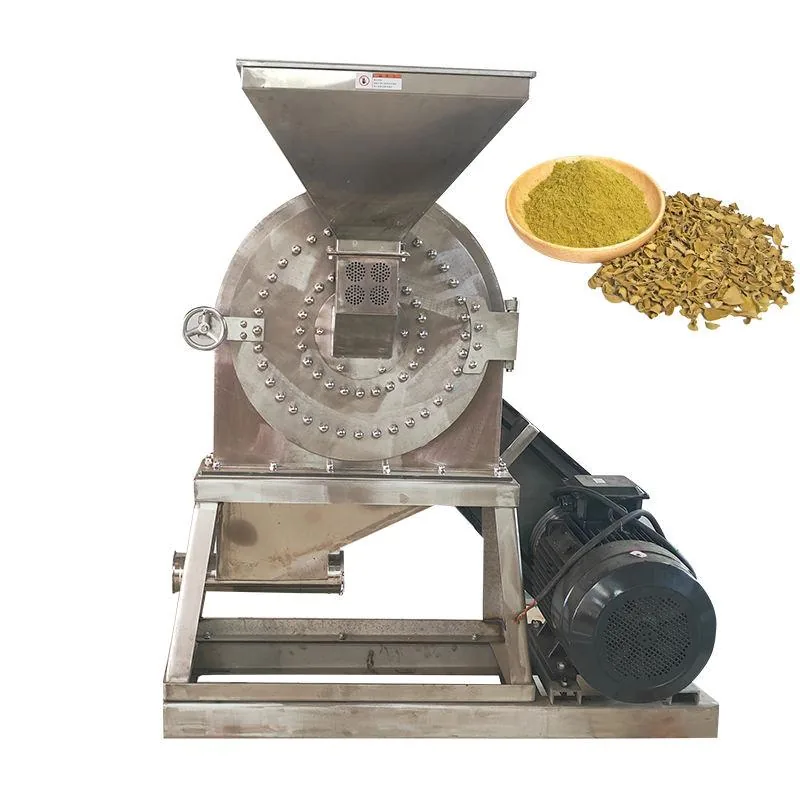
For turmeric projects where finer powder is required, a secondary fine-grinding stage may be considered.
A fine grinding machine can be added after primary grinding when the final product requires a finer and more controlled powder. For example:
Turmeric → Primary Crushing → Hammer Mill → Fine Grinding → Screening → Finished Powder
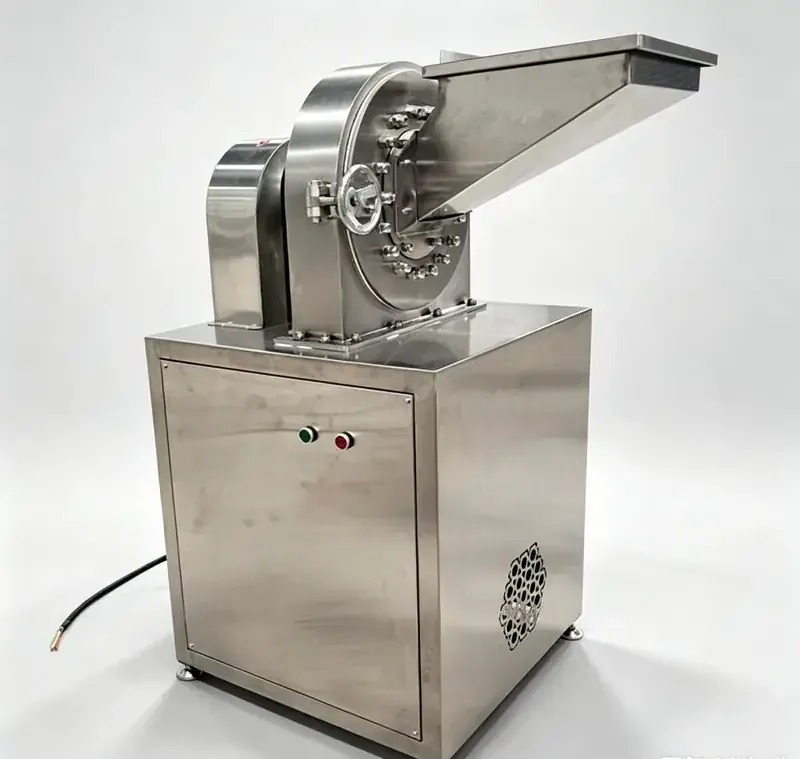
An industrial pin mill may be suitable for certain fine-powder applications where the material and target particle size are compatible with the machine. However, there is no universal grinding machine that is ideal for every turmeric project. The selection should consider:
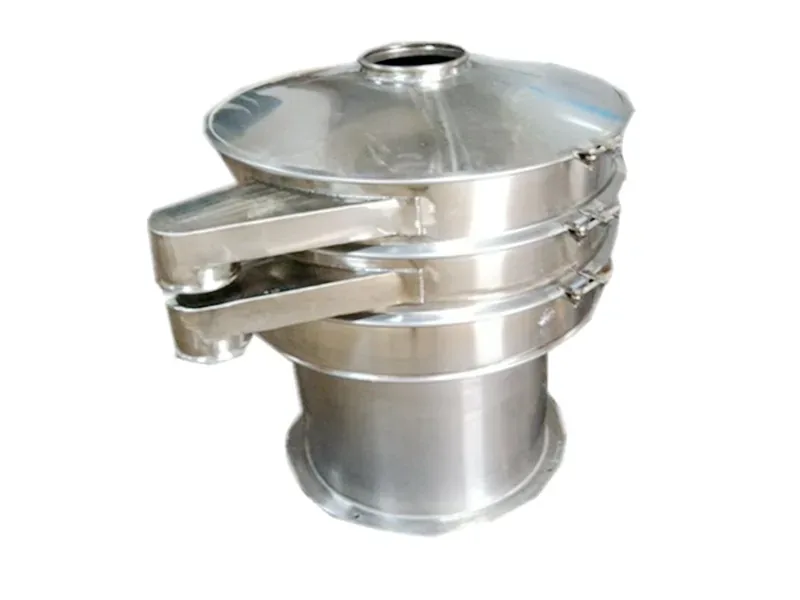
Grinding alone does not necessarily guarantee uniform powder. A screening stage can separate particles according to the selected screen specification. The basic process is:
Ground Turmeric Powder → Vibrating Screen → Fine Powder (Finished Product) + Oversize (Regrinding)
This allows the production line to control the consistency of the final product. An industrial vibrating screen can therefore be an important part of a commercial turmeric powder production system.
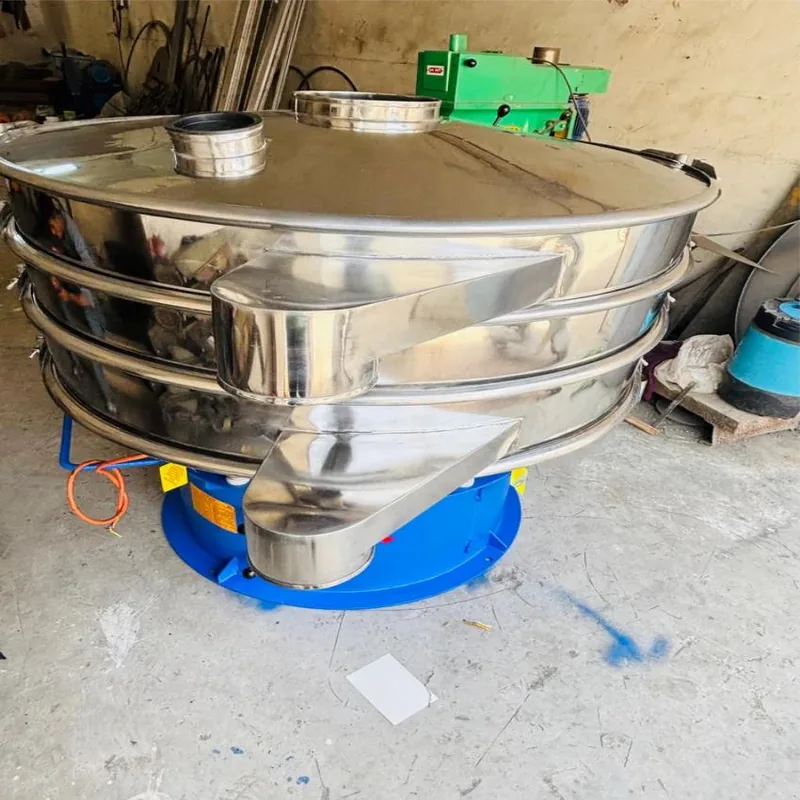
The required screen configuration should be determined according to the customer's target particle size rather than simply selecting a standard screen.
Fine spice powders can generate airborne dust during crushing, grinding and screening. An industrial production line should therefore consider dust collection from the beginning of the design process. A typical system may use a bag dust collector connected to key dust-generating machines.
Grinding Machine → Dust Collection Duct → Bag Dust Collector → Filtered Air
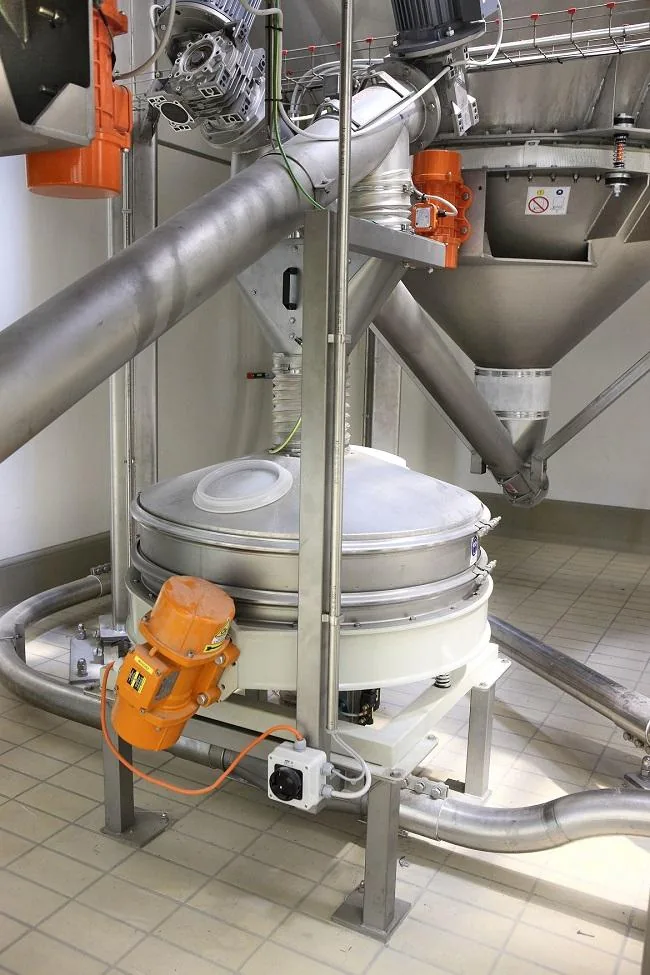
A properly designed dust collection system can help:
Dust collection should be designed according to the number and type of processing machines rather than simply adding a dust collector at the end.
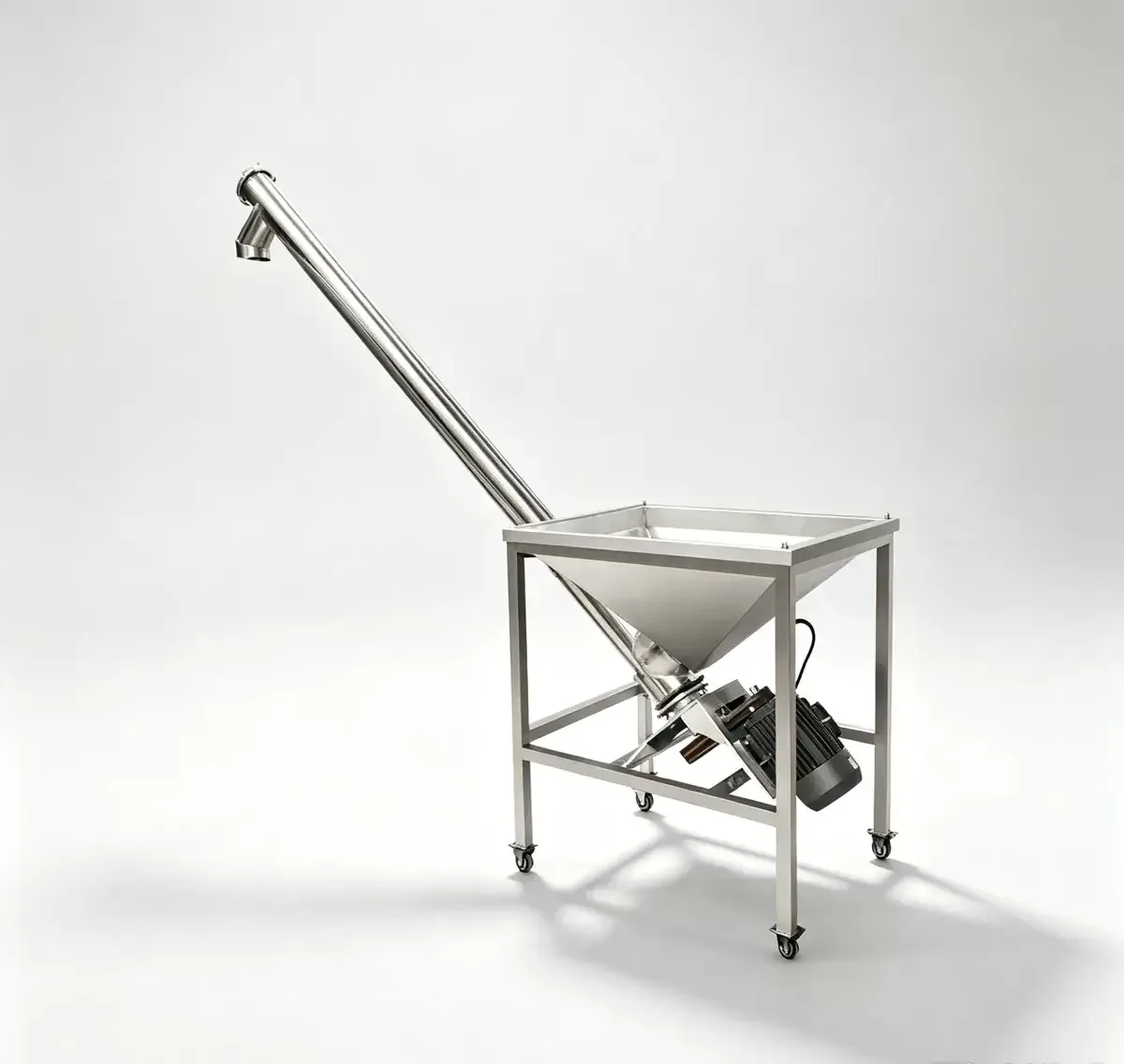
When multiple machines are connected, material needs to move efficiently between processing stages. Depending on the layout, a turmeric powder production line may use:
For example:
Crusher → Conveyor → Hammer Mill → Conveyor → Screen → Packing
The conveyor selection depends on:
For food-processing applications, stainless-steel construction may be preferred where hygiene and corrosion resistance are important. A screw conveyor is commonly used to transfer powder between grinding, screening and packaging equipment.
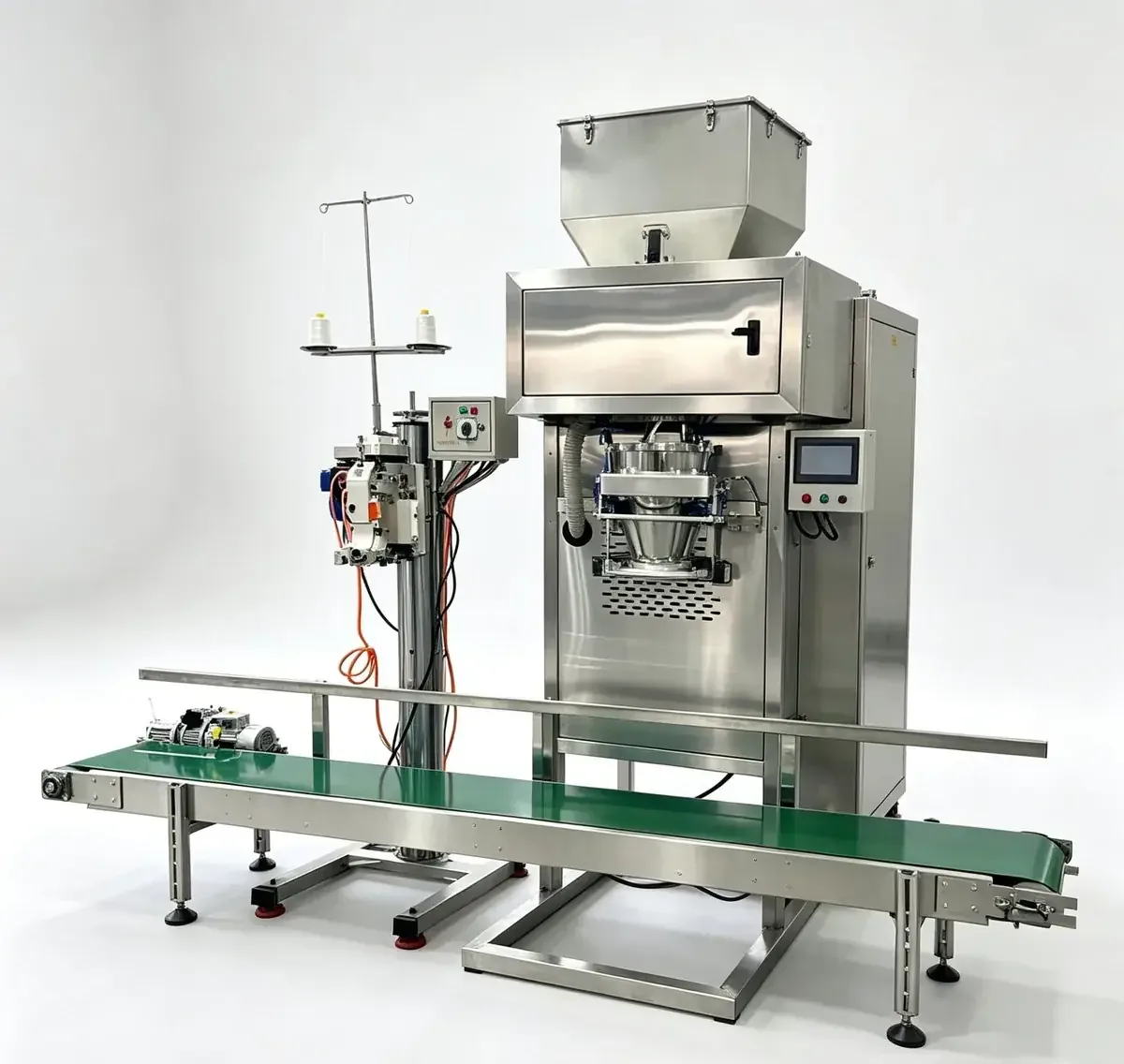
After grinding and screening, the finished turmeric powder can be transferred to a packaging system. The packaging configuration depends on the target market.
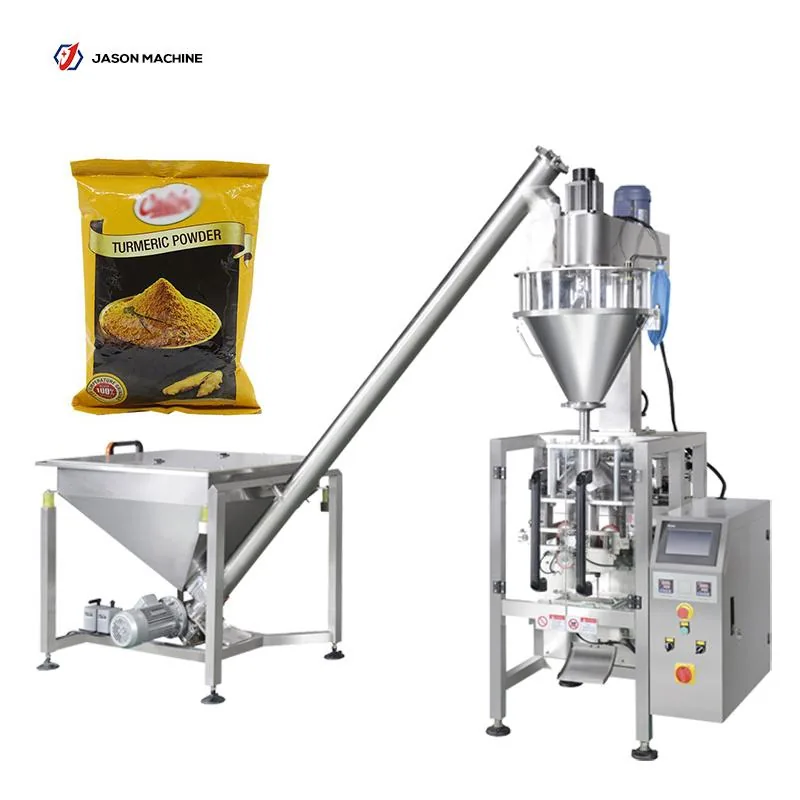
Possible packaging formats include:
A semi-automatic system may be appropriate for smaller production volumes. For higher-volume industrial production, automatic feeding, weighing, filling and sealing can be integrated into the packaging section. An automatic powder packing system can help improve packaging speed and consistency.
Not every customer needs the same production line. A practical way to design the system is to divide projects according to processing requirements.
A small system may contain:
Feeding → Grinding → Screening → Collection → Packaging
This configuration is suitable when the raw material is already clean and dry.
A more complete configuration may include:
Feeding → Cleaning → Crushing → Hammer Mill → Fine Grinding → Screening → Dust Collection → Packaging
This provides greater process control.
A larger project may integrate:
Automatic Feeding → Cleaning → Drying/Moisture Control → Primary Crushing → Primary Grinding → Fine Grinding → Multi-stage Screening → Dust Collection → Powder Storage → Automatic Packaging
The system can also incorporate electrical control and automated material transfer.
Choosing equipment based only on the machine name is not enough. A customer searching for a turmeric powder making machine may actually need an entire processing system. Before selecting equipment, define the following parameters:
Production capacity should not be selected from the machine's nominal capacity alone. Actual throughput can vary according to:
For example, a hypothetical project may target 500 kg/h of finished turmeric powder. A conceptual configuration could be:
Raw Turmeric → Cleaning → Primary Crushing → Hammer Mill → Fine Grinding → Vibrating Screen → Dust Collection → Finished Powder → Packaging
The actual equipment model and quantity should be confirmed after testing the customer's material. Capacity examples should therefore be treated as project targets, not universal machine specifications.
For food and spice powder applications, equipment construction is an important consideration. Stainless steel can provide advantages such as:
However, “stainless steel machine” alone does not define the complete sanitary design. A project should also consider:
This becomes particularly important for commercial food-processing facilities.
Grinding generates mechanical energy, part of which is converted into heat. For spice processing, excessive temperature can affect product characteristics. Therefore, the grinding system should be evaluated according to:
Depending on the project, possible approaches include:
The correct solution should be determined through material testing and process design.
There are two common approaches.
Turmeric → Grinding → Screening → Finished Powder
Advantages:
Turmeric → Crushing → Primary Grinding → Fine Grinding → Screening → Finished Powder
Advantages:
The better option depends on the target product rather than simply choosing the more complex system.
There is no single standard price for a complete turmeric powder production line. Project cost can vary significantly depending on the configuration. Major factors include:
A simple grinding system costs less than a complete automated line.
Different grinding machines have different construction and performance characteristics.
Higher production targets may require larger or multiple machines.
Food-grade stainless-steel construction can increase equipment cost compared with basic construction.
Automatic feeding, conveying, control and packaging increase system complexity.
A larger processing line normally requires a more comprehensive dust collection system.
Automatic packaging equipment can significantly change the overall project configuration.
The final project may also include conveyors, electrical control systems and other auxiliary equipment.
For this reason, customers should request a complete process-based quotation rather than comparing the price of individual grinding machines only.
The required powder fineness should be defined first.
Moisture can have a significant effect on grinding performance.
A grinding machine may have sufficient theoretical capacity while the complete line becomes limited by feeding, screening or packaging.
Dust control should be considered during the initial layout design.
Different machines perform different functions. A crusher, grinder, screen and conveyor should not be treated as interchangeable equipment.
If production is expected to increase, the initial layout should leave reasonable room for expansion.
For an industrial turmeric project, PURSYS can approach the system as a complete powder-processing solution rather than simply supplying one grinding machine. Depending on the project requirements, the system can be configured with:
The exact combination should be determined according to the customer's raw material and final product requirements. A typical modular flow is:
Raw Material → Feeding → Crushing → Grinding → Fine Grinding → Screening → Powder → Packaging, with Dust Collection connected to grinding and screening stages.
This modular approach allows the line to be configured for different production capacities and powder specifications.
If you are planning a turmeric powder production line, providing detailed project information can significantly improve equipment selection. A supplier will normally need information such as:
The most important information is usually: Raw material + moisture + capacity + required particle size. These four parameters can strongly influence the grinding and processing configuration.
A turmeric powder production line is more than a turmeric grinding machine. A properly designed system considers the entire process:
Feeding → Cleaning → Moisture Control → Crushing → Grinding → Fine Grinding → Screening → Dust Collection → Conveying → Packaging
The correct configuration depends on the raw material, moisture content, production target and final powder specification. For industrial projects, the goal should not simply be to find the most powerful grinder. The better approach is to design a balanced processing system in which each stage supports the next.
If you are planning a turmeric powder processing project, PURSYS can help evaluate the material, processing requirements and production target to develop a suitable equipment configuration.
Need a turmeric powder production line? Tell PURSYS your raw material + required capacity + target powder fineness. Explore our turmeric powder processing guide, industrial hammer mill, pin mill, vibrating screen and full range of PURSYS powder processing equipment, or get a quote.
Copyright © Zhengzhou Pursys Machinery Co., Ltd. All Rights Reserved. | XML Sitemap | Site Map
Zhengzhou Pursys Machinery Co., Ltd.
+86 177 2975 3706
+8617729753706
No.21 South Huagong Road, Zhangcun, Gaocun Township, Xingyang City, Zhengzhou City, Henan Province, P.R.China