Mobile:
+86 177 2975 3706
E-mail:
info@pursysmachine.com
News · Oct. 23, 2026 · Buying Guide
Ginger is widely used in spice manufacturing, food processing, seasoning production, and powdered ingredient applications. For industrial producers, choosing the right ginger grinding machine is important for achieving the required powder fineness, maintaining consistent output, and building an efficient production process.
However, ginger grinding requirements vary significantly depending on the condition of the raw material. Fresh ginger contains substantial moisture and requires a different preparation process from dried ginger. Even among dried materials, feed size, moisture content, target particle size, and production capacity can influence the equipment selection.
This guide explains how industrial ginger grinding machines work, how to choose between different grinding technologies, and what to consider when planning a ginger powder processing system.
An industrial ginger grinding machine is equipment designed to reduce prepared ginger material into smaller particles or powder for commercial processing.
The appropriate machine depends on whether the feed material is fresh, dried, sliced, or pre-crushed.
For many dry powder applications, a hammer mill or pin mill may be considered. Other equipment may be needed to prepare the material before grinding or to screen, collect, convey, and package the finished powder.
The machine should be selected according to the actual processing requirements rather than the word “ginger” alone.
Ginger grinding equipment may be used to produce:
For related equipment, visit the PURSYS ginger powder grinding machine product page.
One of the most important questions when choosing a ginger grinder is whether the raw material is fresh or dried.
Fresh ginger contains significant moisture. Feeding it directly into a conventional dry powder grinder may cause smearing, material buildup, blockage, or inconsistent processing.
A fresh ginger processing project may require additional preparation steps, such as washing, slicing, drying, or other suitable moisture-reduction processes, before dry grinding can be considered.
The exact process depends on the product being manufactured. Fresh ginger paste, ginger juice, and dried ginger powder are different products and should not be treated as interchangeable applications.
Dried ginger is generally more suitable for conventional dry grinding, provided its moisture content and physical condition are appropriate for the selected machine.
Depending on the feed size, it may be processed directly or require pre-crushing.
These details help determine whether a conventional dry grinding system is appropriate.
The working principle depends on the machine type.
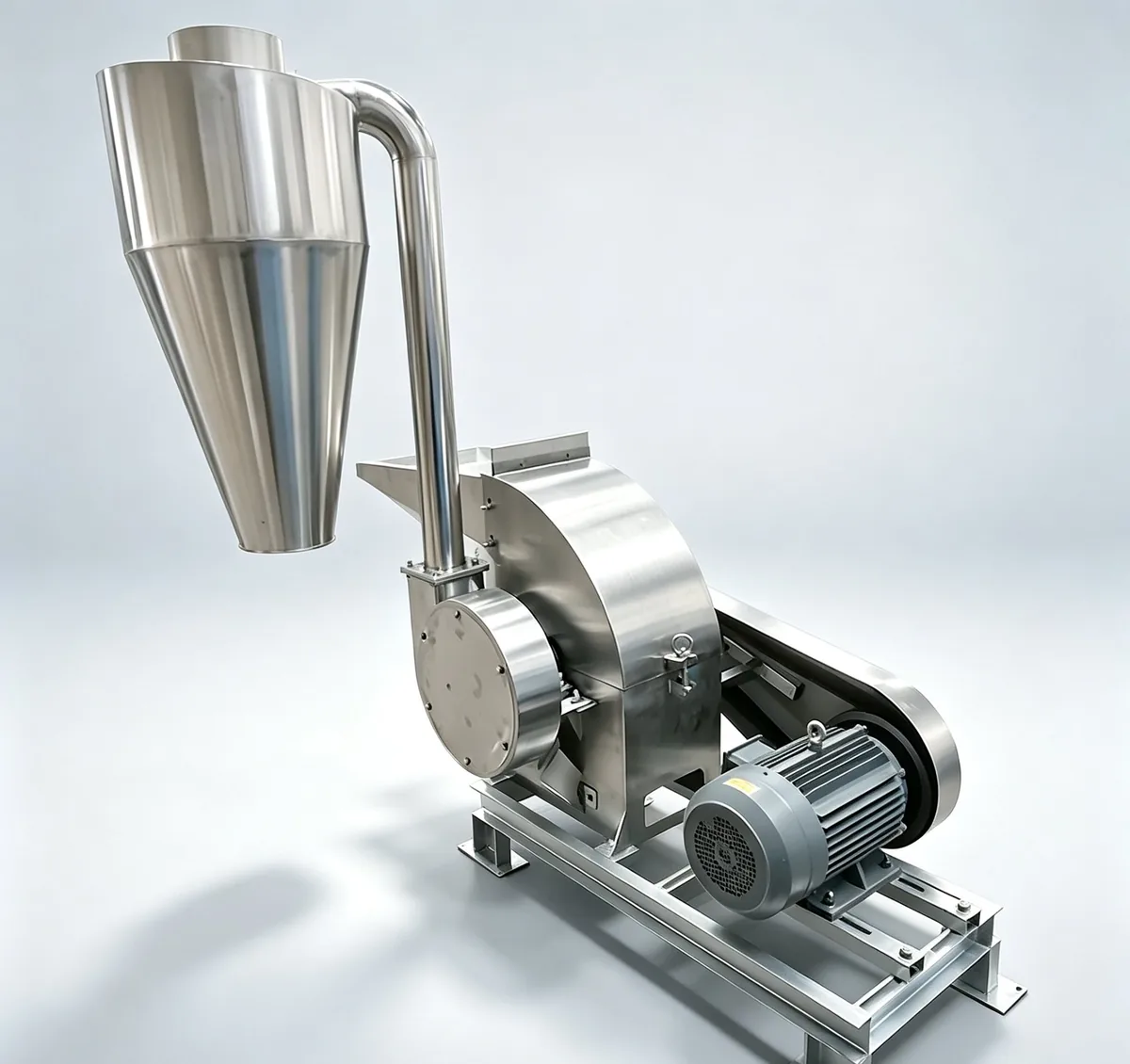
A hammer mill uses rotating hammers to reduce material through impact. Material continues to be processed until it can pass through the selected screen openings.
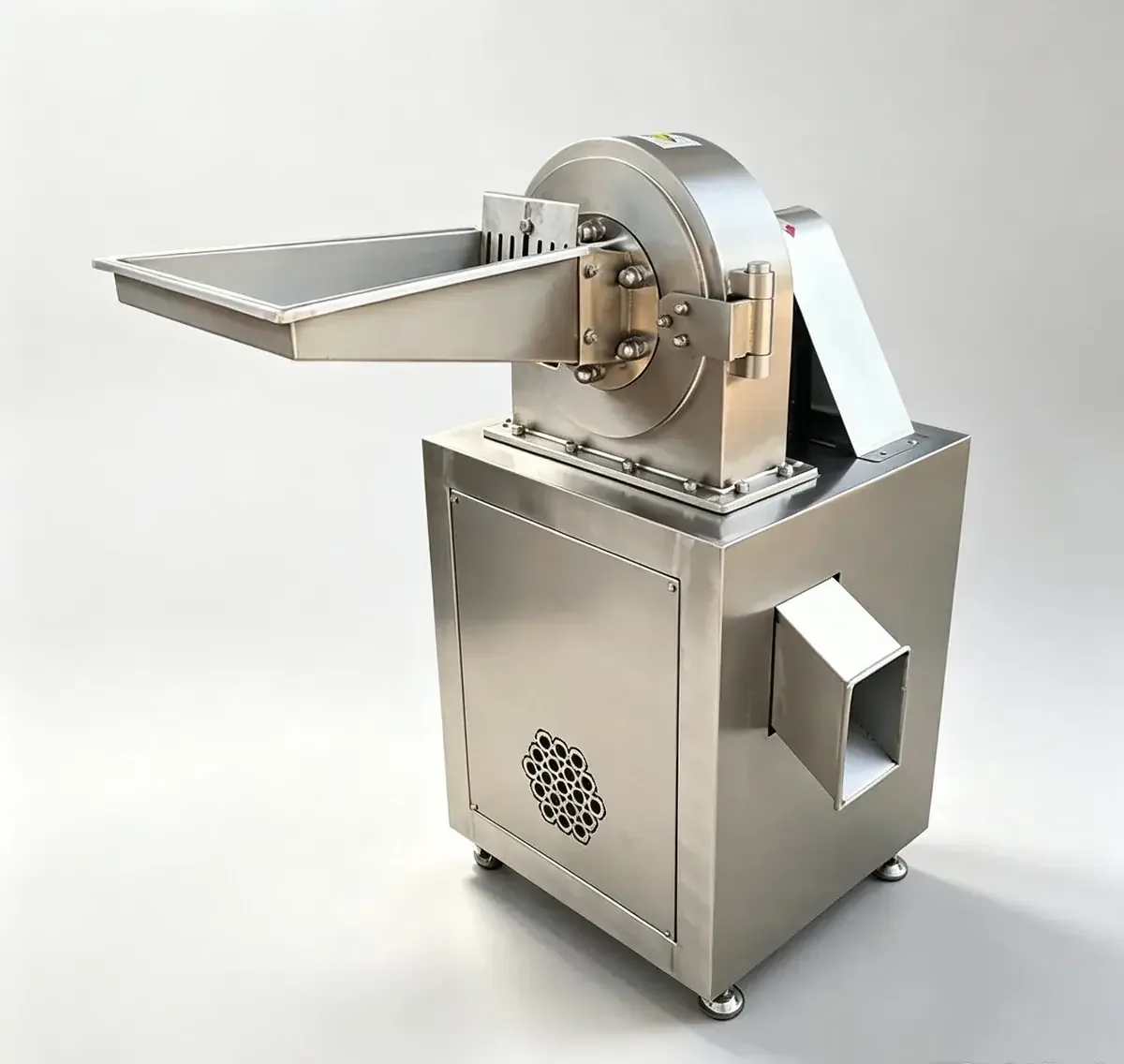
A pin mill uses rotating pins to create impact and particle interaction. Depending on the machine design and material properties, it may be suitable for applications requiring a different particle-size distribution.
Neither technology is automatically the best option for all ginger applications. The final selection should be based on the feed material and the required output.
Dried Ginger
↓
Raw Material Inspection
↓
Cleaning and Preparation
↓
Pre-Crushing (if required)
↓
Industrial Grinding
↓
Screening (if required)
↓
Powder Collection
↓
Packaging
For fresh ginger, washing, slicing, drying, and other preparation stages may be required before dry grinding. The appropriate process must be determined from the intended final product.
A hammer mill uses rotating hammers to reduce suitable material through impact. A screen helps control the size of discharged particles.
It may be suitable for dried ginger when the feed size, moisture content, and required powder specification are compatible with the machine.
Potential benefits include:
Before selecting a hammer mill, consider feed preparation, screen selection, heat generation, cleaning access, and expected throughput. Explore the PURSYS hammer mill for equipment details.
A pin mill uses pins mounted on rotating components to create impact and particle interaction.
It may be considered when the application requires a particular degree of fineness or particle-size distribution. Its suitability depends on the material condition, feed preparation, machine configuration, and required output.
Ask the supplier to evaluate:
Learn more about the PURSYS pin mill.
| Factor | Hammer mill | Pin mill |
|---|---|---|
| Grinding mechanism | Impact from rotating hammers | Impact and interaction between pins |
| Feed preparation | Depends on inlet design and feed size | Depends on machine design and feed condition |
| Particle-size control | Often uses a screen | Depends on rotor design and operating conditions |
| Fine powder applications | Suitable for selected applications | May suit selected fine-grinding applications |
| Heat considerations | Evaluate under actual operating conditions | Evaluate under actual operating conditions |
| Final selection | Confirm for the specific ginger material | Confirm for the specific ginger material |
For more details, read Hammer Mill vs. Pin Mill.
Moisture content can significantly affect dry grinding performance.
Material that is too moist may build up inside the machine, obstruct screens, or produce inconsistent discharge. The acceptable moisture range depends on the ginger material, machine design, and intended product.
If the material is fresh, do not assume that a standard dry grinder can process it directly into powder. Evaluate the necessary preparation process first.
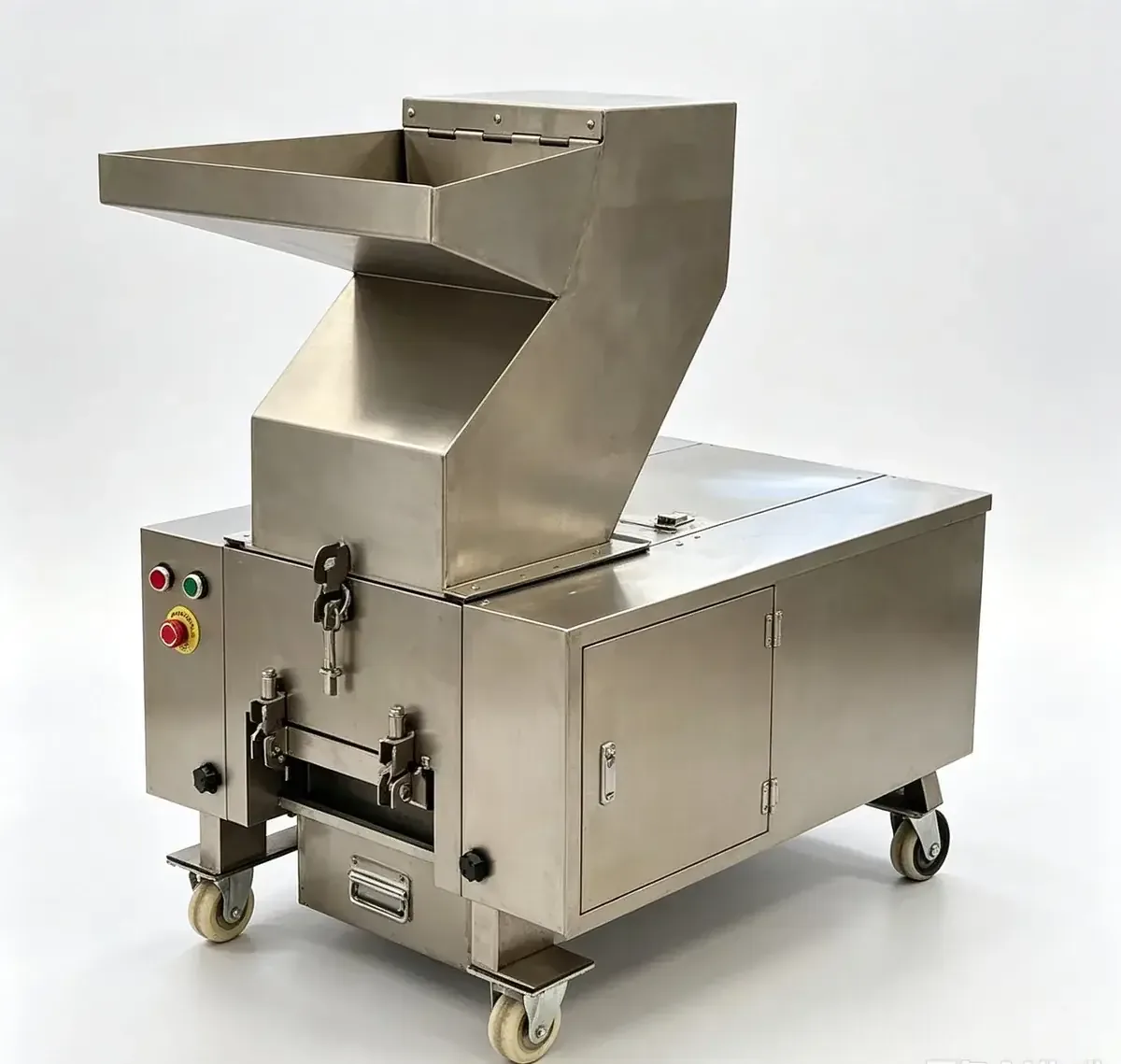
Whole dried ginger pieces may be too large for some grinding machines to process efficiently.
If the feed exceeds the selected machine's suitable inlet size, a pre-crushing stage may be required. A primary crusher can be evaluated for applications where reducing the feed size before fine grinding is necessary.
The correct setup depends on the material dimensions and the machine's design.
Define the required particle size in measurable terms rather than relying only on descriptions such as “fine” or “ultrafine.”
Useful specifications include:
A machine's screen opening does not automatically guarantee the same final particle size. Actual results depend on material properties, machine configuration, and operating conditions.
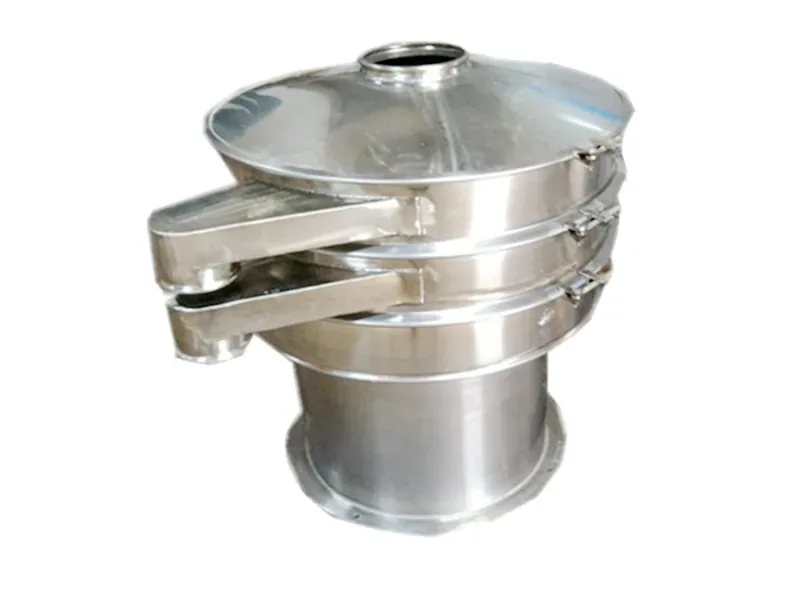
If particle classification is required, consider a round vibrating screen.
Throughput depends on the material and the operating conditions, including moisture, feed size, target fineness, and feeding consistency.
When requesting a quotation, specify the required output per hour or per shift and clarify the finished powder specification.
Ask the supplier to explain the conditions behind the proposed capacity, especially if the target powder is very fine.
Mechanical grinding can generate heat. The resulting product temperature depends on the machine design, feed rate, grinding intensity, and material properties.
If the finished ginger powder has defined quality or temperature requirements, communicate them before selecting the machine.
Discuss how temperature will be evaluated, where measurements will be taken, and whether the application requires staged grinding or other process adjustments.
Do not assume a specific machine guarantees a particular product temperature without application evidence.
For food ingredient production, buyers should define their requirements for product-contact materials, cleaning access, and documentation.
Consider:
The appropriate design depends on the buyer's quality system, intended products, and applicable regulations. Specify requirements clearly rather than assuming all machines have identical food-processing suitability.
A standalone grinder may be enough for a plant that already has suitable preparation and collection equipment. A more integrated configuration may be appropriate when several processing stages need to work together.
Prepared Dried Ginger
↓
Grinding Machine
↓
Manual Collection
This can suit applications where the material is already prepared and the required handling process is simple.
Prepared Ginger
↓
Grinding
↓
Screening
↓
Powder Collection
This arrangement may be useful when particle classification is required after grinding.
Raw Material Preparation
↓
Pre-Crushing
↓
Fine Grinding
↓
Screening
↓
Powder Conveying
↓
Packaging
The stages shown are illustrative. Not every application requires pre-crushing, separate screening, or automatic conveying. The configuration should be based on the material, required product quality, production target, and plant layout.
For related process information, see the PURSYS spice powder processing solution.
The grinder is only one component of a potential processing system.
| Equipment | Purpose | When to consider it |
|---|---|---|
| Primary crusher | Reduces larger feed pieces | When the ginger pieces exceed the suitable grinder feed size |
| Feeding equipment | Supplies material to the grinder | When controlled feeding is needed |
| Vibrating screen | Separates particles according to a defined screening specification | When classification is required |
| Screw conveyor | Transfers compatible powder between stages | When mechanical powder conveying is needed |
| Dust collection system | Collects airborne dust at appropriate points | When required by the process and safety assessment |
| Packing system | Packages the finished powder | When packaging is included in the production scope |
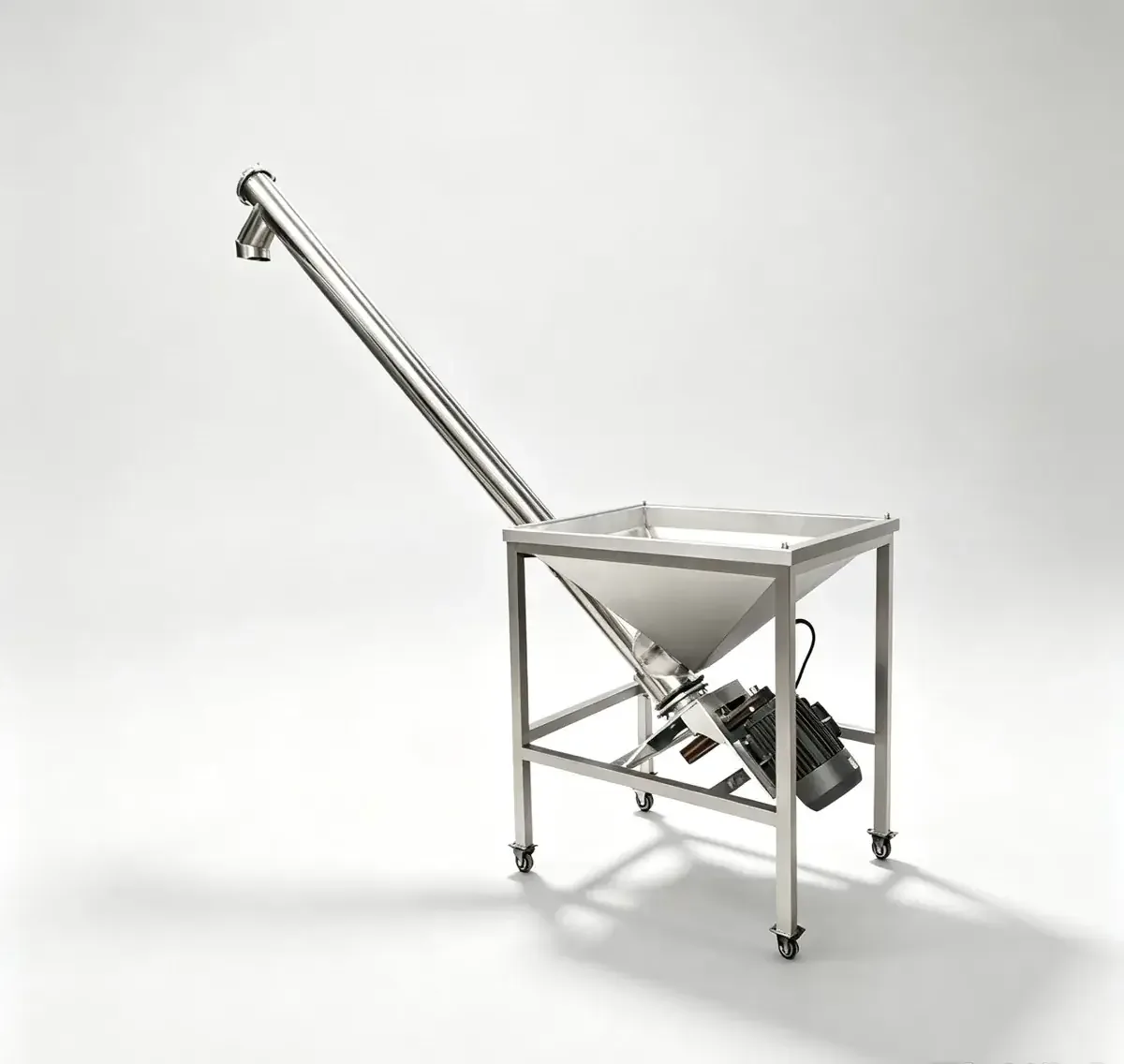
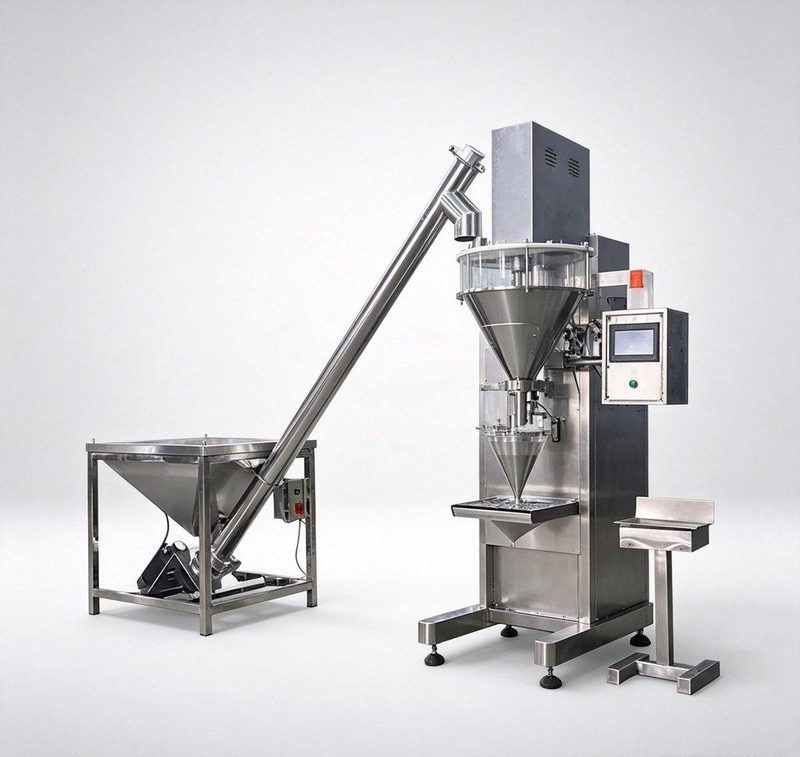
A screw conveyor may be considered for suitable powder-transfer applications, while a PURSYS packing system can be evaluated for the packaging stage.
Ginger powder handling should also account for dust accumulation and housekeeping. Fine combustible dust can create fire or explosion hazards under certain conditions. Dust collection and related safety measures should be designed and assessed by qualified professionals for the specific material and installation.
The cost depends on the equipment configuration and the intended application.
Important factors include:
A standalone grinder and a complete production line have different scopes of supply. Compare quotations by checking the equipment list, technical specification, expected output, and included services.
For broader pricing considerations, the article Turmeric Grinding Machine Price covers how equipment scope and application requirements influence cost.
Fresh ginger and dried ginger behave differently. A conventional dry powder grinder may not be suitable for fresh ginger without appropriate preparation.
Moisture can affect feeding, screen performance, material buildup, and final product consistency.
Motor power alone does not establish the final powder fineness or achievable throughput.
Without a measurable specification, it is difficult to compare machine proposals or verify the finished product.
Screening, collection, conveying, and packaging can influence the overall production process. Consider the full workflow rather than the grinder in isolation.
One supplier may quote a standalone machine, while another includes auxiliary equipment. Compare equivalent configurations before making a purchasing decision.
Prepare the following details to help the supplier evaluate your application.
| Information | Details to provide |
|---|---|
| Ginger condition | Fresh, dried, sliced, or pre-crushed |
| Moisture content | Measured value, if available |
| Feed size | Approximate dimensions or particle-size range |
| Target fineness | Required particle size and test method |
| Production capacity | Required output per hour or per shift |
| Operating schedule | Hours per day and shifts per day |
| Product-contact materials | Required materials and finish |
| Temperature requirements | Defined limit, if applicable |
| Equipment scope | Standalone grinder or integrated system |
| Supporting stages | Pre-crushing, screening, conveying, and packaging |
| Plant conditions | Available space and layout constraints |
| Documentation | Required drawings, manuals, test results, and other documents |
Where possible, provide a representative sample of the actual raw material. Testing can help establish whether the proposed grinding technology is suitable and whether the required output can be achieved under agreed conditions.
Choosing an industrial ginger grinding machine starts with understanding the raw material. Fresh ginger and dried ginger may require different preparation processes, while the target powder fineness and production capacity determine the appropriate grinding configuration.
A hammer mill, pin mill, or integrated grinding system may be suitable for different applications. The best solution is the one that meets the defined product requirements and fits the overall production process.
Looking for an industrial ginger grinding solution? PURSYS can evaluate grinding equipment and supporting process stages according to your material condition, target powder fineness, production capacity, and plant requirements. Visit the PURSYS contact page to discuss your application and equipment needs.
For more on ginger grinding systems, explore our spice grinding machine, pin mill and the full range of PURSYS grinding equipment.
Looking for an industrial ginger grinding machine?
Contact PURSYS with your raw material details, required powder fineness, target capacity, and processing requirements.
Our team can review your application and discuss a suitable grinding machine or powder-processing configuration.
Request a Quote → Back to NewsCopyright © Zhengzhou Pursys Machinery Co., Ltd. All Rights Reserved. | XML Sitemap | Site Map
Zhengzhou Pursys Machinery Co., Ltd.
+86 177 2975 3706
+8617729753706
No.21 South Huagong Road, Zhangcun, Gaocun Township, Xingyang City, Zhengzhou City, Henan Province, P.R.China